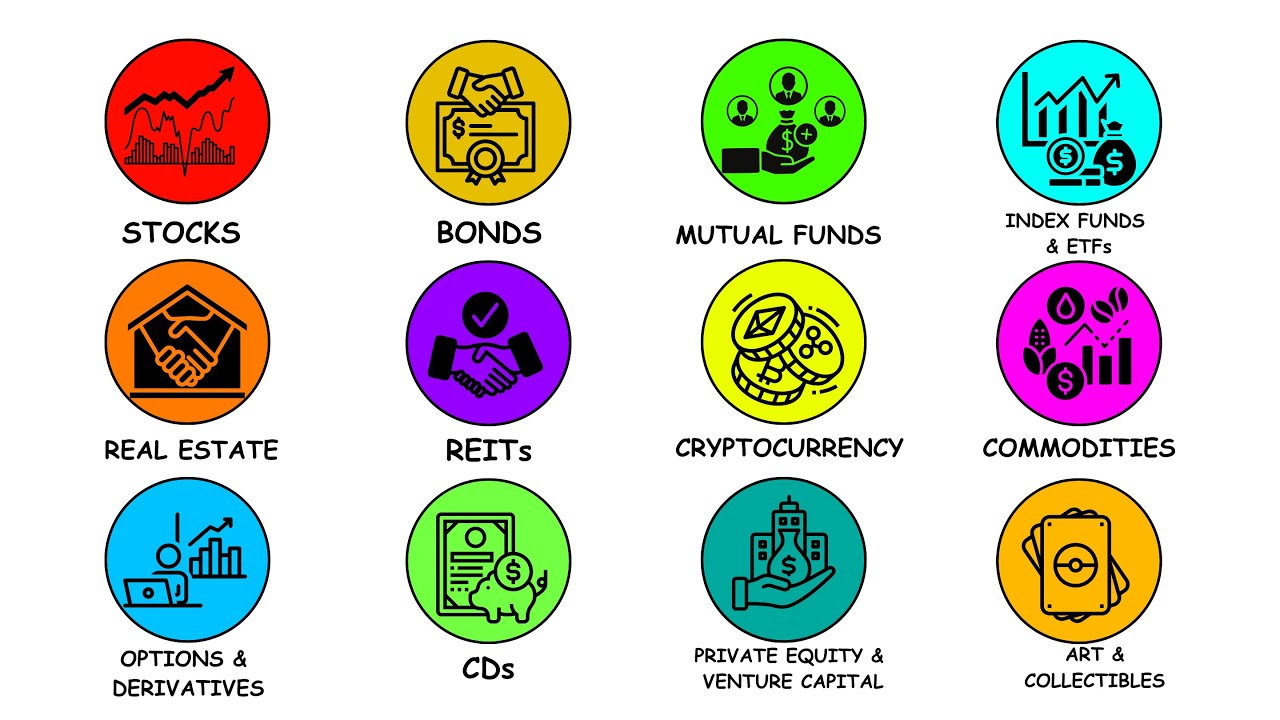

Starting your journey into the world of finance can feel like stepping into a foreign country were everyone speaks a language you don’t understand. But don’t worry — managing your money doesn’t have to be complicated or overwhelming. Whether you’re fresh out of college, just landed your first job, or simply want to get a better grip on your cash flow, this beginner-kind guide is here to help. In “Finance 101: Easy tips Every Newbie Should Know Now,” we’ll break down practical, no-nonsense advice that anyone can follow to build a healthier financial life. Think of it as your personal cheat sheet to budgeting, saving, and smart spending — no financial jargon required!
Getting Your Budget Game On Point Without Breaking a Sweat
Mastering your finances doesn’t mean turning your life upside down — it’s about smart tweaks that keep your wallet happy without stress. Start by tracking every penny you spend. Use apps or good old spreadsheets to see where your money sneaks away. Then, set realistic limits; nobody’s perfect, but a clear spending boundary makes impulse buys less tempting. Keep it simple with categories like groceries, bills, entertainment, and you’ll quickly spot where to cut back or save more.
Next, leverage the power of automation — it’s like having a robot managing your money for you. Automate bill payments, savings transfers, and even investments so you never miss a beat. Plus, create an emergency fund with a tiny chunk of your income each month to stay safe when surprises hit. Here’s a speedy peek at how easy these steps can look in your monthly budget:
| Category | Monthly Limit | Automation Tips |
|---|---|---|
| Subscriptions | $30 | Auto-pay with review every 3 months |
| Groceries | $250 | Use app for deals & weekly spend alerts |
| Entertainment | $50 | Set separate saving jar for splurges |
| Savings | $200 | Auto-transfer on payday |

Mastering the Art of Saving Even When You’re Living Paycheck to Paycheck
Saving money when every dollar counts might feel impossible, but small changes can create a big impact over time. Start by tracking your expenses to identify where your cash is sneaking away—often,simple habits like daily coffee runs or monthly subscriptions add up faster than you think. next, prioritize setting up a rainwater fund—even $5 a week can slowly build a cushion for unexpected bills. Automate transfers to a separate savings account right after payday, so your future self thanks you without feeling the pinch.
Here’s a quick savings booster checklist to keep handy:
- Meal prep: Plan your meals to avoid last-minute takeout splurges.
- Use cashback apps: Get rewarded on purchases you already make.
- Negotiate bills: Often, a quick call can lower phone or internet costs.
| Saving Strategy | Example | Monthly Impact |
|---|---|---|
| Cancel unused subscriptions | Gym membership | $25 saved |
| Cook at home | Skip dining out 3x/week | $90 saved |
| Energy efficiency | Unplug electronics | $10 saved |

Credit Scores Demystified Why They Matter and How to Boost Yours Fast
Your credit score is more than just a number; it’s the key that can unlock better loan rates,credit card perks,and even your dream apartment. Lenders use this mysterious three-digit figure to gauge how reliable you are with repaying borrowed money. A high score basically says, “I’ve got this,” while a lower score can mean higher interest rates or even denied approval. Knowing what’s behind the scenes empowers you to take control, making your financial journey smoother and less stressful.
Want to boost your score fast? Here’s the lowdown:
- Pay bills on time – it’s the biggest factor affecting your score.
- Keep your credit utilization low – try to use less than 30% of your available credit.
- Don’t close old accounts – length of credit history counts, so keep those accounts open.
- Limit new credit inquiries – too many applications can ding your score.
| Action | Impact on Credit | Speed of Effect |
|---|---|---|
| Paying off balances | Reduces utilization | Within 1-2 billing cycles |
| Making late payments | Damages score | Immediate and long-lasting |
| Applying for new cards | Temporary dip | Few months |
| Keeping old accounts open | Improves credit age | Long term |
Smart spending Hacks That Actually Keep your Wallet Happy
Mastering the art of spending wisely doesn’t mean you need to live like a monk. Instead, it’s about making smart and intentional choices that stretch your dollar further without sacrificing the fun stuff. Start by creating a habit of comparing prices before any purchase—whether it’s online or in-store. Use apps and browser extensions that automatically find the best deals for you, turning bargain hunting into a seamless part of your shopping experience. Also, don’t shy away from embracing cash-back and rewards programs; they’re free money in disguise that adds up over time without changing your spending habits.
Another game-changing trick is to build cool little spending rules that work with your lifestyle. Try rules like the “48-hour cooldown”: wait two full days before buying non-essential items—it’s surprising how frequently enough that impulse fades. Plus, consider splitting your budget into categories using simple envelopes or budgeting apps, so you always know exactly how much you can safely spend without worry.Here’s a quick peek at how you might organize your monthly fun money to keep everything balanced:
| Category | Budget (%) | Example |
|---|---|---|
| Eating out | 15% | Weekend brunch |
| Entertainment | 10% | Streaming services, movies |
| Shopping | 10% | Clothes, gadgets |
| Miscellaneous | 5% | Gifts, spontaneous fun |
Building a Simple Investment Plan That Won’t Make Your Head Spin
Starting your investment journey doesn’t have to feel like decoding a secret language.The key is to keep things straightforward and focus on what really matters: your goals, your timeline, and your comfort with risk. Begin by setting aside a fixed amount of money each month—think of it as paying yourself first. This habit builds consistency without making you feel like you’re sacrificing everything. Then, diversify your investments to spread out risk, but keep it simple: stocks, bonds, and maybe a low-cost index fund or two.No need for fancy jargon or complicated charts here!
Here’s a quick checklist to keep your plan sane and steady:
- Automate contributions so you don’t miss a beat
- Choose funds with low fees — those tiny charges add up fast
- Review your plan yearly and tweak it as life changes
to help you visualize how spreading your investment works, check out this simple breakdown:
| Investment Type | allocated % | Risk Level |
|---|---|---|
| Index Funds | 50% | Medium |
| Bonds | 30% | Low |
| Cash or Savings | 20% | Very Low |
Q&A
Finance 101: Easy Tips every Newbie Should Know Now – Q&A
Q: I just started managing my own money. What’s the very first thing I should do?
A: Congrats on taking the plunge! The first step is to understand where your money’s going. Grab a notebook or use an app to track all your income and expenses for a month. It sounds boring,but knowing your spending habits is gold—it helps you spot leaks and figure out where to cut back.
Q: Budgeting sounds complicated. do I really need one?
A: Nope, budgeting doesn’t have to be a pain! Think of it like a simple plan for your money. Even a super basic budget—like setting limits for food, fun, and bills—can keep you from overspending. Plus, it helps you save for the stuff you actually care about without the stress.
Q: I keep hearing about “emergency funds.” What’s that and how much should I save?
A: An emergency fund is your financial safety net for unexpected stuff—like car repairs or medical bills. Aim for at least 3 to 6 months’ worth of living expenses. Start small if that sounds huge; even $500 set aside is a great start!
Q: Debt freaks me out. How do I handle it without losing sleep?
A: Debt can be scary, but breaking it down helps. List out what you owe with interest rates, and focus on paying off high-interest stuff first.Making consistent payments—even small ones—beats stressing over it. And avoid adding more debt unless absolutely necessary.
Q: What’s the deal with credit scores? Should I care?
A: Yes, you should! Your credit score is like your financial report card. It affects whether you can get loans, credit cards, or even rent an apartment.Keep it healthy by paying bills on time,not maxing out credit cards,and checking your score onc in a while.
Q: Any quick tips for saving money without feeling like a total buzzkill?
A: Totally! Try swapping pricey coffee for homemade brews,cut back on subscriptions you don’t use,and shop with a list to avoid impulse buys. Also, challenge yourself with “no spend” days or weeks—your wallet will thank you.
Q: Can I start investing if I barely understand finance?
A: You bet! Start simple with low-cost index funds or robo-advisors—they’re great for newbies. The key is to start early and be consistent, even if it’s just a little at first. Over time, your money can grow without you doing a ton of work.
Q: Where can I learn more without getting overwhelmed?
A: Blogs like this one, YouTube channels, and apps focused on personal finance are your friends. Look for content made for beginners—no jargon, just real talk. And don’t be afraid to ask questions or join online communities; everyone starts somewhere!
That’s a wrap for Finance 101! Remember, managing money is a skill anyone can learn. Start small,stay curious,and you’ll be a financial pro before you know it. 💸✨
Key Takeaways
And there you have it—your newbie-friendly crash course to getting your financial life on track without the headache. Remember, mastering money isn’t about being perfect; it’s about making small, smart choices consistently. Start with these easy tips, keep learning as you go, and watch your confidence (and bank account) grow. Finance doesn’t have to be scary—just a little less mysterious. So go ahead, take control, and enjoy the journey to financial freedom! You’ve got this.