

Thinking like a trading expert might sound like something only Wall Street pros or day traders can pull off, but here’s the secret—it’s totally doable for anyone willing to learn the ropes. Whether you’re dabbling in stocks, crypto, or forex, developing the right mindset can seriously up your game and help you make smarter decisions. in this post, we’re breaking down some simple, no-fluff tips that you can start using today to train your brain to think like a seasoned trader. Ready to level up? Let’s dive in!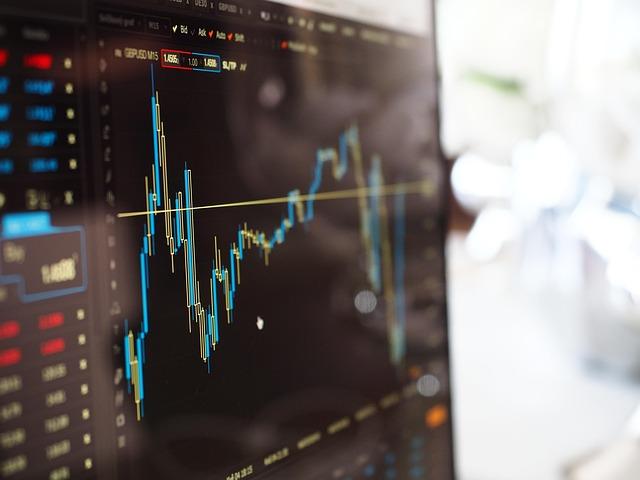
Understanding Market Psychology and Why It Matters
At the core of every market movement lies the collective mindset of its participants. Understanding the emotional waves—fear, greed, optimism, and panic—that ripple through traders can give you an edge in predicting price action and making smarter decisions.When you recognize that markets aren’t just numbers but a reflection of human feelings and reactions, you start seeing patterns in how crowds behave, rather than just charts. This is why a simple bullish trend can quickly reverse when sentiment shifts, or why seemingly irrational moves sometimes occur.Mastering this psychological aspect means learning to detach from your biases and emotions, allowing you to trade with a clearer, more strategic mindset.
Here are some key psychological factors that influence market behavior:
- Herd mentality: Following the crowd ofen leads to overbought or oversold conditions.
- Confirmation bias: Traders tend to seek facts that supports their existing beliefs.
- Loss aversion: Fear of losing money frequently causes premature exits or stubborn holding.
- Overconfidence: After wins, traders might take bigger risks without justification.
| Psychological Factor | Typical Behavior | Trading Tip |
|---|---|---|
| Herd Mentality | Chasing trends without analysis | Wait for confirmation before entering |
| Loss Aversion | Holding losers too long | Set strict stop-loss levels |
| Overconfidence | Increasing position size impulsively | Stick to your trading plan |
Mastering Risk management Without Losing Sleep
Keeping your cool when managing risk isn’t just about crunching numbers—it’s about building a mindset that embraces uncertainty without panic. Successful traders know that setting clear risk limits and sticking to them can be a game-changer. Remember, it’s not about avoiding risk altogether but understanding it well enough to minimize emotional stress. utilize tools like stop-loss orders, diversify your portfolio, and never risk more than a small percentage of your capital on a single trade. This disciplined approach helps you sleep peacefully, knowing your downside is protected.
Beyond just numbers, risk management is also about psychological balance. Keeping an eye on thes habits can help:
- Regularly review and adjust your risk parameters
- Maintain a trading journal to track emotional responses
- Use routines to cut impulsive decisions
- Take breaks to avoid burnout and overtrading
Here’s a rapid look at how different traders limit risk:
| Trader Type | Max Risk per Trade | Strategy |
|---|---|---|
| Conservative | 1% | Strict stop-loss, high diversification |
| Moderate | 2-3% | Balanced mix of stops and position sizing |
| Aggressive | 5%+ | Bold trades, tighter monitoring |

Reading Charts Like a Pro Even if You’re a Beginner
Mastering the art of chart reading doesn’t have to be overwhelming. Start by focusing on key chart elements like price action, volume, and trend lines. Price action tells the story of supply and demand in real time, while volume confirms the strength behind moves. Spotting simple patterns like “higher highs” and “lower lows” can give you clues about market momentum without diving into complex indicators. Also, get comfortable with different chart types—candlestick charts, for example, pack a lot of information into each bar with open, close, high, and low prices. Learning to interpret these will help you anticipate potential reversals or continuations.
Here’s a quick cheat sheet to guide your initial analysis:
- Support and Resistance: Identify price levels where the market tends to pause or reverse.
- Trend Direction: Use simple moving averages to spot whether you’re in an uptrend or downtrend.
- Volume Spikes: Look for sudden increases in volume that often precede big moves.
- Candlestick Patterns: Watch for setups like dojis or engulfing candles that hint at sentiment shifts.
| Chart Element | What to Look For | Why It Matters |
|---|---|---|
| Trendline | Connect lows or highs | Confirms direction |
| Volume | Volume spikes | Signal strength |
| Candlestick | Patterns like Doji | Indicates reversal |
Building Discipline to Stick With Your Trading plan
Sticking to your trading plan isn’t about willpower alone; it’s about creating a system that supports consistency and keeps emotions in check. Discipline starts with setting clear rules for entry and exit points, risk levels, and position sizes. When your plan is detailed and tailored to your personality, it becomes easier to follow rather than something you try to force on yourself. Remember, the market will test your resolve, so anticipate those moments by building habits that anchor you to your strategy.
Here are a few tricks to help cement discipline into your daily routine:
- Keep a Trading Journal: Document every trade, your reasoning, and the outcome. Reflection breeds insight.
- Set Realistic Goals: Avoid the temptation to overreach; small,consistent wins help you build momentum.
- Use Visual Reminders: Post your rules near your trading setup to stay accountable.
- Limit Screen Time: Over-watching can lead to impulsive decisions — trust your plan and check in at set intervals.
| Common Pitfalls | Discipline Hack |
|---|---|
| Chasing losses | Stop-loss orders & pre-set daily max loss |
| Overtrading | Limit trades per day |
| Ignoring rules | visual checklist at workstation |
| Emotional trades | Scheduled breaks and mindfulness exercises |
Using Tech Tools to Boost Your Trading Game
in today’s fast-paced trading habitat, relying solely on gut feelings or outdated methods won’t cut it. Embracing tech tools can give you a serious edge by streamlining your workflow and sharpening your market insights.Automated trading platforms allow you to set rules and execute trades without constantly staring at screens, reducing emotional errors. Meanwhile, real-time data feeds keep you ahead of market moves so you can react faster than the average trader.
Beyond automation,there’s a wealth of smart tools designed to analyze your performance and identify patterns you might miss. From advanced charting software that highlights trends and support levels, to AI-powered sentiment analysis that gauges market mood across social media, the right kit turns you into a data-driven pro.Here’s a quick look at some essentials:
- Trading Bots: Automate repetitive tasks and execute trades 24/7
- Backtesting Software: Test strategies against past data before risking real money
- News Aggregators: stay updated with filtered financial news in one place
- Risk Management Apps: Track your exposure and set alerts to avoid big losses
| Tool | Key Benefit | Example |
|---|---|---|
| Trading Bots | Emotional-free, auto-executed trades | 3Commas, CryptoHopper |
| Backtesting Software | Validate your strategies risk-free | TradingView, MetaTrader |
| News Aggregators | Instant market updates in one feed | Feedly, Benzinga |
| Risk Management Apps | Real-time risk alerts & analysis | Riskalyze, Tradervue |
Q&A
Q&A: How to Think Like a Trading Expert – Tips You Can Use Today
Q: I’m new to trading. What’s the first mindset shift I need to make to think like a pro?
A: Great question! The biggest shift is treating trading like a business, not a gamble. That means planning your moves, managing risk, and staying patient. Experts don’t chase quick wins; they look for consistent, repeatable strategies.
Q: How important is having a plan? Can I just wing it sometimes?
A: Winging it might work… once or twice. But experts swear by a solid trading plan. It helps you stay disciplined and avoid emotional decisions. Your plan should include entry and exit rules, risk limits, and a routine for reviewing your trades.
Q: Everyone talks about risk management. Why is it such a big deal?
A: Because losing money sucks—but losing too much can wipe you out.Top traders use risk management like a seatbelt: it doesn’t prevent accidents,but it limits damage. Set stop-loss orders and never risk more than a small percentage of your capital on a single trade.
Q: How do experts handle stress and emotions while trading?
A: They acknowledge emotions but don’t let them drive decisions. Techniques like meditation, taking breaks, or sticking strictly to the plan can definitely help. Over time,repeated practice and experience make emotional reactions less intense.
Q: Should I follow other expert traders or do my own thing?
A: Both! Learning from others is super valuable—read blogs, watch videos, join forums—but blindly copying isn’t smart. Experts adapt strategies to their style and market conditions. Use others’ ideas as inspiration, then test and tweak your own approach.
Q: What about technology? Do experts use fancy tools?
A: Yep! Many pros use trading software, charts, and algorithms to spot patterns quickly. But remember, tools are just helpers. Understanding what’s behind the numbers is what sets expert traders apart.
Q: Can I start thinking like a pro today, or does it take years?
A: You can definitely start today! Adopt a mindset of continuous learning, focus on risk management, and keep emotions in check. Mastery comes with time, but these tips will get you on the right track right now.
Q: Any quick tips to improve my trading mindset ASAP?
A: Sure! Here are three to try now:
- Write down your trading goals and review them daily.
- Before each trade, ask yourself, “Is this really worth the risk?”
- Keep a trading journal—we all learn heaps from our mistakes.
Start small,stay curious,and you’re already thinking like a pro!
final Thoughts
And there you have it — a few down-to-earth tips to start thinking like a trading pro today. Remember, trading isn’t about luck; it’s about mindset, strategy, and a little bit of patience.So, take these tips, practice them consistently, and watch how your approach—and maybe even your results—begin to change. Happy trading, and here’s to making smarter moves in the market!


