

Thinking about diving into the world of trading but feeling a bit overwhelmed? You’re not alone! Trading can seem like a wild ride packed with confusing jargon and fast-moving charts, but it doesn’t have to be that way. Whether you’re looking to make some extra cash on the side or dreaming of building a full-time gig, getting started the right way is key.In this post, we’ll break down simple, no-nonsense tips that’ll help you find your footing and trade smarter from day one. So grab a cup of coffee, relax, and let’s make trading a lot less intimidating together!
Getting to know the Market Basics without the Jargon
Understanding how markets work doesn’t have to feel like decoding a secret language. At its core, trading is about buying and selling assets with the hope of making a profit. think of it as a simple exchange — you buy something at one price and aim to sell it at a higher one. The key is to get a grip on basic concepts like stocks, bonds, and commodities, without getting bogged down by elaborate terms. For example:
- Stocks represent ownership in a company.
- Bonds are loans you give to companies or governments, with guaranteed interest.
- Commodities include physical goods like gold, oil, or wheat.
To get started, it helps to understand a few market basics that often pop up:
| Term | What It Means |
|---|---|
| Bull Market | Prices are generally rising – a good time for buyers. |
| Bear Market | Prices are falling – caution is key. |
| Liquidity | How easily an asset can be bought or sold. |
Once you’ve gotten these basics down, you’ll find that the jargon starts to make more sense, and trading feels less intimidating. Remember, every trader was a beginner once—so take your time, ask questions, and keep it simple.
Choosing Your first Trading Platform Made Easy
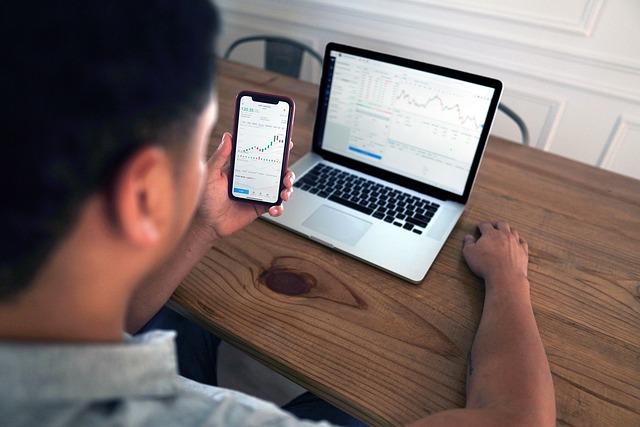
When stepping into the world of trading,picking the right platform can feel like a maze.To keep things simple, start by focusing on user-kind interfaces that won’t overwhelm you with clutter and complex features. Look for platforms offering demo accounts – these are like practice zones where you can learn without risking real money. Also, check if the platform has educational resources or tutorials because, trust me, having guidance at your fingertips makes all the difference.
Another handy way to narrow down your choices is by comparing fees, available assets, and customer support quality. Hear’s a speedy overview to help you spot what matters most:
| Feature | Why It Matters | What to Look For |
|---|---|---|
| Fees & Commissions | Keeps your costs low | Transparent, low or no hidden fees |
| Asset Variety | More choices for trading | Stocks, forex, crypto, ETFs |
| Customer Support | Help when needed | Responsive 24/7 chat or phone |
| Platform stability | Prevents frustrating downtime | Reliable uptime & fast execution |
- mobile compatibility: Trade on the go with user-friendly apps.
- Security features: Ensure your money and data are well protected.
- community & reviews: See what other beginners like you are saying.

How to Spot Good Trades Without losing your Mind
Finding promising trades doesn’t have to feel like decoding an ancient manuscript. The key is to rely on clear signals and stick to your plan without letting emotions take the wheel. Start by focusing on trends rather than random price fluctuations. Look for assets showing consistent movement in one direction, paired with strong volume – this frequently enough hints at genuine market interest. Using basic tools like moving averages or RSI (Relative Strength Index) can help you filter out noise and identify these strong setups.
Also, keeping a simple checklist can save your mind from spinning in circles. Here’s a handy one to keep close:
- Is the asset in a clear trend? Up or down? Avoid sideways noise.
- does volume support the price move? More volume = more confidence.
- Are there any major news events? Avoid trading during wild announcements.
- Is your stop-loss defined? Protect your capital first.
| Sign | What It Means | Action |
|---|---|---|
| RSI < 30 | Asset oversold | Potential buy opportunity |
| RSI > 70 | Asset overbought | Consider taking profits or avoiding new buys |
| Price > 50-day MA | Uptrend confirmed | Look for buying setups |
| price < 50-day MA | Downtrend confirmed | Stay cautious or look for shorting |
Money management Tips That Actually Work for Beginners
Getting control of your finances starts with forming solid habits that will keep your trading journey sustainable. One powerful trick is to create a realistic budget that separates your essential expenses from your trading capital. Knowing exactly how much you can afford to risk without touching bills or savings removes a ton of stress and helps prevent impulsive decisions. Incorporate these habits:
- Track every penny: Use apps or simple spreadsheets to monitor income and spending.
- Set aside an emergency fund: At least 3-6 months of living expenses to keep you covered.
- Only use ‘play’ money for trading: Never dip into funds meant for rent, groceries, or bills.
Another key to lasting success is managing your risk wisely. Even beginners can minimize losses and grow steadily by sticking to simple rules. Here’s a quick look at how to protect your capital smartly:
| tip | Why It Works | Example |
|---|---|---|
| Set Stop-Loss Orders | Prevents large losses from sudden market moves | Limit loss to 2% of your trade amount |
| Risk Only a small % per Trade | Keeps you in the game longer by avoiding big losses | Risk 1-2% of total capital per trade |
| diversify Trades | reduces impact if one trade or asset underperforms | Spread capital across different stocks or currencies |
By embracing these straightforward money management habits, you’ll build the confidence and control to navigate trading smarter, not harder.
Building a Simple Trading Plan You Can Stick To
Creating a plan that actually works means keeping things straightforward and realistic. Start by defining clear goals—are you aiming for steady growth or quick wins? Next, decide on your risk level per trade; a good rule of thumb is to risk no more than 1-2% of your trading capital on a single position.This helps protect your account from big losses that can be hard to recover from. Also, pick your trading style and stick to it, whether that’s day trading, swing trading, or something else. Consistency is key here, as constantly switching approaches can lead to confusion and mistakes.
Once you have these basics nailed down, put your plan in writing. Use something simple like this table to keep track of your core rules:
| Component | Example Rule |
|---|---|
| Risk per Trade | 1.5% of total account |
| Entry Criteria | MACD crossover + volume spike |
| Exit Strategy | 15% profit target or 5% stop loss |
| Review Schedule | Weekly performance check |
- Stick to your stops: Always respect your stop loss, no exceptions.
- Be patient: Wait for your setup to line up properly instead of forcing trades.
- Track your progress: Logging trades helps spot what’s working and what isn’t.
This kind of structure might feel basic, but it’s a foundational habit that separates accomplished traders from those who just hope for the best.
Q&A
Q&A: Trading for Newbies – Simple tips to Get You Started Right
Q: I’m brand new to trading. Where should I even begin?
A: welcome to the world of trading! first off, start by learning the basics—what stocks, forex, or cryptocurrencies actually are, and how markets work. Plenty of free resources online can help you get the gist without feeling overwhelmed. Think of it like learning to ride a bike: you want to understand balance before trying tricks.
Q: how much money do I need to start trading?
A: Good question! The amount varies depending on what you want to trade. Some platforms let you start with as little as $50, especially in crypto or stock fractions. But remember, only trade money you’re okay losing—trading is as risky as it is exciting.
Q: should I jump straight into real trading or try a demo account first?
A: Definitely give a demo account a spin first. Think of it as a video game version of trading—no real cash involved but you get to practice your moves. This helps you get comfy with the platform and understand how trades work without the stress of losing money.
Q: I’ve heard a lot about “strategy.” Do I need one?
A: Yes and no. You don’t need a fancy, complex strategy to start, but it’s smart to have a basic plan—like when to enter or exit a trade and how much you’re risking. As you get experience, you can tweak and develop it. the key is consistency.
Q: How do I manage risk so I don’t lose a ton?
A: Risk management is your best friend. Never put all your eggs in one basket. Use stop-loss orders (that’s setting a point where you automatically sell to cut losses), avoid chasing “hot tips,” and keep each trade’s risk to a small percentage of your total funds, like 1-2%.
Q: What about emotions? trading sounds stressful.
A: Oh, it can be! Panic and greed are the two biggest pitfalls. Stick to your plan, don’t chase losses, and take breaks when you feel overwhelmed. Keeping your emotions in check takes practice but can save you from costly mistakes.
Q: Any quick tips to get started on the right foot?
A: Absolutely!
- educate yourself daily, even if just for 15 minutes.
- Start small and keep your expectations realistic.
- Choose a reputable trading platform with good support.
- Track your trades so you can learn what works and what doesn’t.
- Join newbie-friendly communities—trading buddies can keep you motivated!
Q: How long does it take to become a “good” trader?
A: there’s no set timeline. Some pick up skills quicker, others take months or even years. The important thing is patience and continuous learning. Treat trading like a marathon,not a sprint.
Q: Can I make quick money trading?
A: While stories of overnight wins are tempting, most successful traders build their skills over time. Quick money can happen but it’s not the norm—think more about steady growth and learning rather than “get rich fast” schemes.
Ready to dip your toes in? Remember,every expert trader started as a newbie. Take it slow, stay curious, and enjoy the journey!
To Wrap it up
And there you have it — a handful of simple tips to kickstart your trading journey without the usual overwhelm. Remember, everyone starts somewhere, and the key is to stay curious, keep learning, and be patient with yourself. Trading isn’t about getting rich overnight; it’s about building good habits and making smarter moves over time. So, take these basics, tweak them to fit your style, and most importantly, have fun along the way. Happy trading, newbies! You’ve got this.


