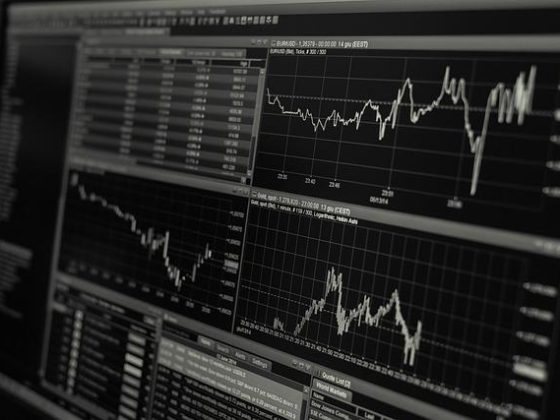

Ever wonder what goes on inside the brain of an economy expert? Beyond the graphs, charts, adn all that Wall Street jargon, what do these financial wizards really think about the markets, the future, and our everyday money moves? In this blog, we’re diving deep into the mindset of those who live and breathe economics—unpacking their secrets, fears, and surprising truths you won’t hear on the evening news. Grab a coffee, get comfy, and let’s get inside the mind of an economy expert!
What Drives Their Economic Predictions and How You Can Spot the Trends
Economic experts rely on a complex mix of data signals and instincts to shape their forecasts. They don’t just look at raw numbers; they watch for subtle shifts in consumer behavior, geopolitical tensions, and central bank moves. Market sentiment, employment rates, inflation trends, and even unexpected events like pandemics or political upheavals feed into their mental models. By tuning into these indicators, they build a narrative that helps them anticipate where the economy might head next.
Want to catch trends like the pros? Keep an eye on a few key areas that often send early signals:
- Consumer Confidence Index – When people feel good about their finances, spending often increases.
- Yield Curve – An inverted curve can be a red flag for upcoming recessions.
- Policy Announcements – Central bank moves on interest rates can shift entire markets in a heartbeat.
- Corporate Earnings Reports – Healthy profits usually spell optimism, while misses can indicate trouble ahead.
| Indicator | What it Signals | Why It Matters |
|---|---|---|
| Unemployment Rate | Labor market health | High rates signal economic slowdown |
| Inflation Rate | Cost pressures | Rising inflation can erode purchasing power |
| Stock market Trends | Investor confidence | Strong gains reflect optimistic outlook |
| Manufacturing Output | Production strength | Decline hints at weakening demand |
The Hidden biases That Shape Their Views (And How to Avoid the Same Traps)
Even the sharpest economy experts are not immune to biases that subtly shape their analyses and opinions. These hidden influences frequently enough stem from personal experiences, cultural backgrounds, or the dominant narratives within their professional circles. As an example, an expert who has witnessed rapid market growth might unconsciously favor bullish outlooks, while another entrenched in crisis management may lean towards pessimism. Recognizing these biases is crucial because they color the predictions and policy recommendations that millions rely on. Some common traps include:
- Confirmation Bias: Seeking evidence that supports their preexisting beliefs.
- Anchoring: Over-relying on the first piece of details encountered.
- Availability Heuristic: overestimating the importance of recent or memorable events.
To sidestep these pitfalls yourself,cultivate a habit of critical self-reflection combined with diverse perspectives. Regularly question your assumptions and actively seek out opinions that challenge your views. Building a mental checklist to identify when bias might be at play can help keep your analysis grounded. Here’s a simple framework to keep bias in check:
| Step | Action |
|---|---|
| 1 | Identify your assumptions explicitly. |
| 2 | Actively research opposing viewpoints. |
| 3 | Consult data from varied, reputable sources. |
| 4 | Reflect on how personal experiences might influence conclusions. |
Why They’re More Optimistic than You Think About the future
- Accelerated adoption of clean energy technologies
- Resilient job creation in emerging sectors
- Improved global cooperation on trade and finance
- Innovations in healthcare and education that lift productivity
To put their outlook into outlook,here’s a rapid glance at economists’ projections versus public sentiment over the next decade:
| Aspect | Economists’ Outlook | Public Sentiment |
|---|---|---|
| Economic growth | Steady,moderate progress | Slow or stagnant |
| Job Market | Expansion in tech & green sectors | Decline & automation fears |
| Innovation Impact | Transformative but gradual | Skeptical and uncertain |
Simple Money Moves Economy Experts Swear By for tough Times
Another insider move? smart diversification of income streams. Experts often emphasize not putting all your eggs in one basket—whether that’s investments, side hustles, or freelance gigs—to cushion against unexpected job losses or market dips. here’s a quick rundown of the essentials economy pros embrace:
- Emergency fund: 3-6 months of expenses in a high-yield savings account
- Debt prioritization: Paying down high-interest debt first to free up cash flow
- Flexible budgeting: Adjusting spending habits monthly rather than blindly following a fixed budget
- Income diversification: Multiple revenue streams to smooth out fluctuations
- Investing in yourself: Upskilling to stay relevant in a shifting job market
| Money Move | Why it effectively works |
|---|---|
| Emergency Fund | Buffers unexpected expenses,preventing debt spiral |
| Debt Snowball Method | Builds momentum by paying smallest debts first |
| Side Hustles | Creates extra income in uncertain times |
| Flexible Budgeting | Keeps spending aligned with current priorities |
How to Think Like an Economy Expert When Making Your Own Financial Decisions
Another key trait is their habit of constantly questioning and updating assumptions based on new data.economists know that the world changes fast, so what worked yesterday might not work tomorrow. To think this way, try incorporating these practices into your routine:
- Stay curious: Read about current economic trends or financial news regularly.
- Analyze your biases: Are you overestimating short-term gains? Underestimating risks?
- Use mental models: Deploy concepts like prospect cost and marginal thinking when deciding between options.
Here’s a quick peek at how economy experts weigh common financial decisions:
| Decision | expert Thought Process | Common Mistake |
|---|---|---|
| Buying a Car | Calculate total cost of ownership,including depreciation and maintenance | Focusing only on monthly payments |
| Investing in Stocks | Diversify based on risk tolerance and time horizon | Chasing hot trends without analysis |
| Using Credit Cards | Leverage only when benefits outweigh interest costs | Accumulating debt unknowingly |
Q&A
Inside the Mind of an Economy Expert: What They Really Think
Q&A Style blog Post
Q: So,what’s the big deal about economists? Are they really that different from the rest of us?
A: Honestly,economists are just people who happen to get excited about money,markets,and how the world buys and sells stuff. They’re not some mysterious wizards locked away in ivory towers—they just geek out on numbers and trends a bit more than your average Joe.
Q: Do economists ever agree on anything?
A: Haha, not always. Economics isn’t like math where 2+2 always equals 4. It’s more like debating whether pineapple belongs on pizza—lots of opinions. Even the experts can get pretty heated over things like inflation, taxation, and goverment spending.
Q: What’s the biggest misconception about economists?
A: That they’re all obsessed with spreadsheets and charts and don’t care about people. Truth is, most are genuinely interested in helping improve lives but sometimes get tangled up in technical jargon that makes them seem robotic.
Q: What do economy experts actually think about the current global economy?
A: A mix of cautious optimism and “hold on tight.” They’re watching things like inflation rates, interest hikes, energy prices, and geopolitical tensions. It’s kind of a rollercoaster, but many believe there’s always a silver lining if we make smart choices.
Q: Are economists pessimists or optimists by nature?
A: Depends on the day—and the data. Some lean more optimistic, believing in innovation and market resilience; others are skeptical, warning us about bubbles and crashes. The best ones swing between the two, always questioning and recalibrating.
Q: What’s one thing an economy expert wishes everyone understood better?
A: that economics isn’t destiny. It’s a tool, and policies matter. How governments,businesses,and people choose to act can shape the future. So, yes, your choices and voices count!
Q: Any advice from economists for everyday folks trying to navigate money stuff?
A: Yep—focus on the basics: spend less than you earn, save a little, don’t panic during market swings, and try to keep learning. The economy might be complex, but personal finance can be pretty simple.
Q: If an economist had a superpower, what would it be?
A: Probably the ability to predict the future… or at least see a few steps ahead without breaking a sweat. But since that’s not quite possible, they settle for analyzing patterns and probabilities—which is basically their version of super-sleuthing.
Wrapping it up: Economists aren’t so mysterious after all—they’re just folks who try to make sense of the crazy money dance we all participate in. So next time you hear about inflation or recessions, you might just hear a little less jargon and get a peek inside their brains. Cool, right?
Final Thoughts
So, there you have it—a little peek inside the brains of economy experts. Turns out, they’re not just number-crunching robots; they’re thoughtful, sometimes skeptical, and always juggling a mix of data, intuition, and real-world quirks. Next time you hear about a market prediction or economic forecast, you’ll know there’s a whole messy, fascinating process behind those hot takes.Pretty cool, right? Until next time, keep questioning and stay curious!