

Starting out in the world of trading can feel like stepping into a fast-moving storm—confusing, overwhelming, and downright intimidating. I’ve been there. But after years of trial, error, and hard-earned lessons, I’ve carved my path from rookie to trading expert. in this post, I’m pulling back the curtain to share the real, raw tips I’ve picked up along the way—no fluff, just the stuff that made a difference. Whether you’re just getting your feet wet or stuck in a trading rut, stick around.Let’s dive into the trenches together and get you trading smarter, not harder.
Starting Out the Right Way Learning from Early Mistakes and How to Avoid Them
When I first dipped my toes into trading, I was fueled by enthusiasm but severely underestimated the complexity of the markets. One of my biggest early mistakes was overtrading,jumping into too many positions at once without a clear strategy,which quickly drained my capital and confidence.I also fell into the trap of ignoring stop-loss orders, thinking I could outsmart the market’s volatility. Learning to respect risk management was a game-changer. Looking back, my journey underscores just how critical it is to build a solid foundation before chasing those quick wins.
Here are a few key takeaways from my early days that can save you time and frustration:
- Start small: Use demo accounts or small trades to learn the ropes.
- Stick to a plan: Define your entry, exit, and risk parameters clearly.
- embrace losses: They’re part of the game; use them to adjust your approach.
- Keep a trading journal: Document every trade to spot patterns and mistakes.
| Mistake | Impact | How to Avoid |
|---|---|---|
| Ignoring Stop-Loss | Big Losses | Set strict stop-loss limits |
| Overtrading | Capital Drain | Trade selectively and plan ahead |
| Emotional Decisions | Impulsive Trades | Follow predefined strategies |
Mastering the Tools The Tech and Strategies That Changed My Game
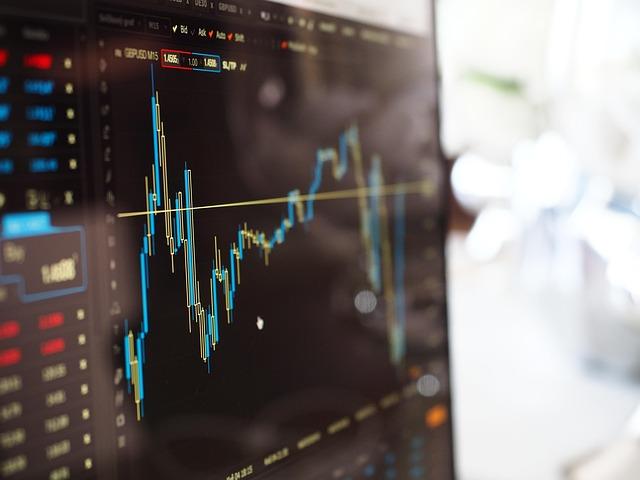
Over the years, I’ve polished my trading toolkit with a mix of cutting-edge tech and time-tested strategies that transformed my approach completely. Sure, understanding the market is crucial, but having the right tools in your arsenal makes all the difference. I rely heavily on real-time data feeds and customizable charting platforms that let me spot trends faster than ever. Automation also played a huge role—setting up smart alerts and algorithmic triggers turned mundane hours into focused, high-impact sessions. The key? Combining simplicity with sophistication.For example:
- TradingView: Clean UI with powerful social charts and scripts.
- NinjaTrader: Deep customization and backtesting without the fluff.
- Python scripts: To automate repetitive tasks and analyze patterns.
| Tool/Strategy | Benefit | Why I Use It |
|---|---|---|
| Real-Time Data Feeds | Instant market updates | Stay ahead with live pricing |
| Algorithmic Alerts | Hands-free monitoring | Never miss key price movements |
| Backtesting Systems | Test before you invest | Validate strategies with historical data |
Building Discipline Staying Cool When the Market Gets Crazy
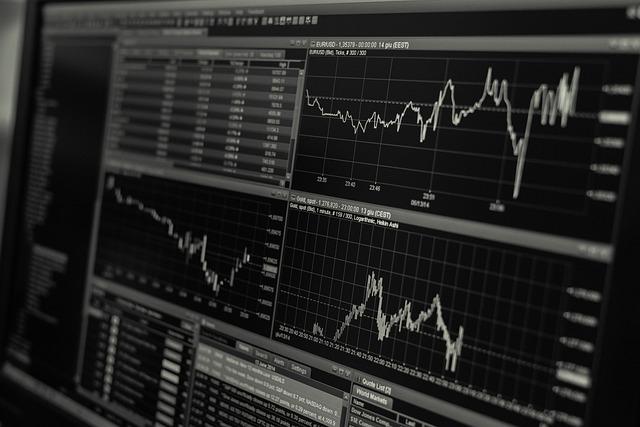
Keeping your cool when the market feels more like a rollercoaster than a calm sea is an essential skill that separates the pros from the amateurs. I’ve learned that discipline isn’t just about sticking to rules—it’s about emotional mastery.When prices swing wildly, it’s easy to panic, second-guess, or chase losses. Instead, I’ve found that stepping back, taking deep breaths, and trusting my pre-defined strategy helps maintain clarity. It’s less about reacting to every beep or flash on your screen and more about being proactive with a calm mind.
Here are some tactics I use to stay centered:
- Pre-market prep: I review my game plan and potential scenarios so I’m mentally ready.
- Set strict stop-losses: Protect your capital by knowing exactly when to exit a trade.
- Limit screen time: Avoid burning out by stepping away every hour or so.
- Practice mindfulness: Simple breathing or meditation exercises to reduce stress on hectic days.
| Emotion | Common Trigger | Discipline Strategy |
|---|---|---|
| Fear | Sudden market drops | Stick to stop-losses & avoid impulsive selling |
| Greed | unrealistic profit chasing | Set realistic profit targets & take wins off the table |
| Impatience | Overtrading | Use planned entries and resist FOMO trades |
Finding Your Trading Style Why One Size Doesn’t Fit All
When I first dipped my toes into trading,I quickly realized that what works wonders for one trader might tank another’s portfolio. Trading isn’t a cookie-cutter game; it demands a personal touch that fits your risk tolerance, time availability, and even personality quirks. Some thrive on rapid-fire day trading, fueled by adrenaline and quick decisions, while others prefer the slow burn of long-term investments. Finding your groove means experimenting with different approaches until you land on a style that feels less like a grind and more like your natural rhythm.
Here’s what helped me discover my unique trading style:
- Testing various time frames, from minutes to months
- Analyzing how much stress I could handle without making impulsive moves
- Identifying which markets sparked my interest and which made me yawn
- setting realistic goals that matched my lifestyle, not the othre way around
| Trading Style | Best For | Time Commitment | Stress Level |
|---|---|---|---|
| Day Trading | Fast-paced decision makers | High (hours/day) | High |
| Swing Trading | Those who prefer a medium pace | Moderate (days/weeks) | medium |
| long-term Investing | Patience seekers | Low (months/years) | Low |
Remember, the beauty of trading lies in its versatility. don’t rush to fit yourself into someone else’s mold; build a strategy that feels like a natural extension of who you are. That way, the learning curve feels less steep and the wins taste a lot sweeter.
Keeping Growth Alive How to Keep Learning and Stay Ahead
In the fast-moving world of trading, resting on your laurels is a sure way to get left behind. I made it a point early on to become a lifelong learner, constantly seeking out new strategies, market insights, and technologies. Whether it was devouring books, attending webinars, or joining niche trading communities, every bit of knowledge helped sharpen my edge. The key is to stay curious and never settle—every experience, success or failure, teaches you somthing vital.
Here are some practical habits that kept my growth consistent:
- Daily market reviews – Analyze your trades and market movements to spot patterns.
- Follow thought leaders – Engage with experienced traders on social media to get fresh perspectives.
- Experiment with new tools – Don’t be afraid to try out different platforms or indicators to see what fits your style.
- Reflect on mistakes – Use losses as learning moments rather than setbacks.
| Practice | Why it effectively works |
|---|---|
| Daily Journal | Clarifies thought process and tracks progress over time |
| Webinar Participation | Allows interaction with experts and updated knowledge |
| Backtesting | Validates strategies before actual risk |
| Peer group Discussions | Shares real-world experiences and diverse ideas |
Q&A
Q&A: How I Became a Trading Expert – Tips from the trenches
Q: So,how did you get started with trading?
A: Honestly,it was more curiosity than anything else. I began dabbling with a tiny amount of money just to see what the fuss was about. At first, I had no clue what I was doing and lost a bit, but that’s how you learn, right? Slowly, I read a ton, followed some pros online, and kept practicing.
Q: What was the biggest challenge when you were starting out?
A: Patience. Hands down.I wanted to make quick money, but trading isn’t a get-rich-quick scheme. It took me months (and some painful mistakes) to realize that slow and steady wins the race. Emotional control was also tough—I’d freak out during crazy market swings.
Q: Any moment where you realized, “Okay, I’m getting the hang of this”?
A: Yeah! After about a year of consistent practice and journaling all my trades, I started seeing patterns and my decisions became way more confident. Seeing steady profits instead of random wins and losses was the real “aha” moment.
Q: What’s the number one tip you’d give to newbie traders?
A: Don’t trade with money you can’t afford to lose. Seriously,keep it small and treat it like a learning expense. Also, keep a trading journal.Write down everything—why you entered a trade, how you felt, what the outcome was. You’ll learn so much from that.
Q: How important is a trading strategy?
A: Crucial. I tried winging it initially, but an actual strategy saved me. whether it’s technical analysis, essential, or a mix, having a plan helps avoid impulsive mistakes. And don’t be afraid to tweak your strategy as you gain experience.
Q: Can you share a tip that most people overlook?
A: Risk management. Most rookies jump headfirst without setting stop losses or thinking about how much they’re risking per trade.Protecting your capital is way more important than chasing the “big win.”
Q: What tools or resources helped you the most?
A: Honestly, free stuff online was a goldmine. Forums, YouTube channels, free webinars—you just need to sift through the noise. Then, when you’re ready, a good charting platform and maybe a paid course to deepen your knowledge. Also, find a community (even online)—trading can get lonely.
Q: Do you ever take breaks from trading?
A: Oh, without a doubt.Mental burnout happens, and when it does, stepping away is necessary. Trading with a fresh mind means better decisions. Plus, sometimes the market’s just not favorable, and it’s smart to sit on your hands.
Q: Final takeaway for aspiring traders?
A: Trading is a marathon, not a sprint. Stay curious, keep learning, control your emotions, and never risk more than you’re willing to lose. Celebrate small wins and learn from losses—they’re your best teachers. You’ve got this!
Final Thoughts
And there you have it — a little peek behind the curtain of how I went from rookie to trading pro. Remember, there’s no magic formula or overnight success story here; it’s all about patience, learning from your mistakes, and staying curious. If you’re serious about diving into the wild world of trading, keep hustling, keep studying, and don’t be afraid to get your hands dirty. Thanks for sticking around and reading my journey — now it’s your turn to write yours. Happy trading!


