

Thinking about diving into the world of trading but not sure where to start? You’re definitely not alone. Becoming a trading expert might seem like an intimidating mountain to climb,but with the right guidance and a bit of practice,you can steadily sharpen your skills and boost your confidence. In this post, we’re breaking down insider tips from seasoned pros that’ll help you navigate the markets like a champ. Whether you’re a total newbie or looking to up your game,these expert-backed pointers are exactly what you need to trade smarter,not harder. Let’s get into it!
Getting Started with the Basics and Building Your Foundation
Before diving into complex strategies, it’s essential to get cozy with the core principles that govern the markets. start by learning the essential concepts like supply and demand,risk management,and how different asset classes operate. This groundwork acts as your safety net,allowing you to trade with confidence rather than guesswork. Don’t rush through this phase—mastering the basics will save you from costly mistakes down the road.
To lay a solid foundation, focus on consistency and discipline. Simple habits such as maintaining a trading journal, setting clear goals, and sticking to a trading plan create a structure that can support your growth. Here’s a fast checklist to keep you on track:
- Understand key market terms: Learn jargon like “bullish,” “bearish,” “stop-loss,” and “leverage.”
- Practice with demo accounts: Simulated trading helps you experiment without real-world pressure.
- Follow market news: Stay updated on events that influence market movements.
- set realistic expectations: Trading is a marathon, not a sprint.
| Concept | Why It Matters | Pro Tip |
|---|---|---|
| risk Management | keeps losses manageable and preserves capital | Use stop-loss orders to limit downside |
| Support & Resistance | Helps identify entry and exit points | Watch for price bounces or breakouts |
| Emotional Control | Prevents impulsive decisions | Take breaks to avoid stress-driven trades |

Mastering Technical Analysis and Reading the Market Like a Pro
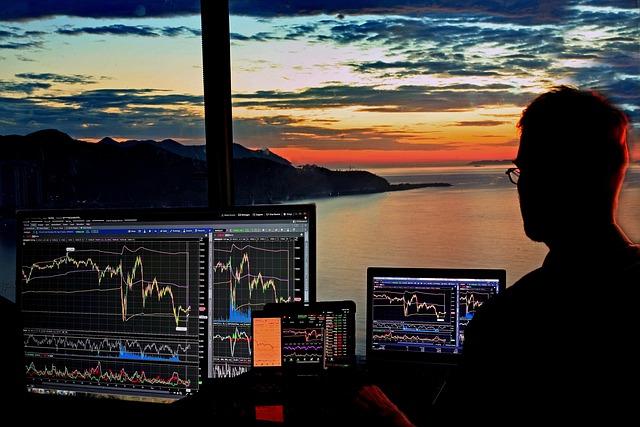
To truly conquer the market, you need to get comfortable with the language it speaks—charts, patterns, and trends. Technical analysis isn’t just about memorizing candlestick formations or RSI levels; it’s about interpreting what the data is whispering about potential price moves. Seasoned traders often focus on a blend of tools, such as moving averages for trend confirmation, MACD for momentum shifts, and Fibonacci retracements to spot key reversal points. The magic lies in combining these indicators, not relying on a single signal, to build a solid, informed view of the market’s likely direction.
Developing a professional trader’s eye means honing the skill to read the chart’s story quickly and efficiently. Here’s what the pros swear by:
- Context matters: Always consider the bigger timeframe before diving into short-term setups.
- Volume clues: Confirm moves with volume spikes to gauge the strength behind price action.
- Risk management: Knowing when to cut losses is as crucial as spotting entry points.
- Emotional discipline: Never let FOMO or panic cloud your judgment.
| Indicator | Purpose | Pro Tip |
|---|---|---|
| Moving Average | Identify trends | use crossovers for entry signals |
| RSI | Spot overbought/oversold zones | Watch for divergence vs price |
| MACD | Measure momentum | Look for zero-line cross confirmation |
| fibonacci | Highlight support/resistance | Combine with candlestick patterns |
Developing a Winning Mindset to Handle Wins and Losses
Mastering the mental game is just as crucial as understanding charts and numbers. When you embrace every outcome—whether a win or a loss—as part of the journey, you develop resilience that separates rookies from pros. Instead of letting a big win inflate confidence or a tough loss crush your spirit, see each trade as valuable feedback. This mindset shift helps you stay centered and objective, allowing you to make smarter, more calculated decisions in future trades.
- Celebrate wins: but avoid getting complacent.Use victories to analyze what worked well.
- Learn from losses: dissect mistakes calmly, so thay don’t repeat.
- Keep emotions in check: fear and greed are the biggest enemies in trading.
- Adapt and improve: each trade is a lesson—let your mindset evolve constantly.
| Reaction | Pro Trader Response |
|---|---|
| Big Win | Analyze strategy, don’t self-boost |
| Unexpected Loss | Review causes calmly, tweak approach |
| Emotional Impulse | pause, breathe, reassess trade plan |
Leveraging Tools and Resources Top Traders Swear By
Every top trader knows that the right tools can make all the difference between a lucky guess and a calculated win. From advanced charting platforms to real-time news feeds, these resources streamline decision-making and help spot opportunities before the crowd catches on. Don’t overlook the power of technical analysis software like TradingView or MetaTrader, which provide customizable indicators and alerts that keep you ahead of market movements. Pair these with news aggregators such as Benzinga or Seeking Alpha for crucial market insights delivered fast. And remember, mastering these tools is just as critically important as learning the core principles of trading.
To keep your workflow smooth and efficient, many pros swear by productivity boosters that cut through the noise. Checklists, trade journals, and automated alert systems help maintain discipline and track progress without getting overwhelmed. Here’s a quick rundown of some essentials that can drastically sharpen your edge:
- Portfolio trackers: Keep tabs on all your holdings in one place with apps like Personal Capital or Delta.
- Backtesting platforms: Strategies should be tested before risking capital—with tools like Amibroker or QuantConnect.
- Economic calendars: never miss a key proclamation affecting currencies, stocks, or commodities; try Forex Factory or Investing.com.
- Community forums: Engage and learn with veteran traders on reddit’s r/WallStreetBets or Elite Trader.
| Tool Type | Purpose | Popular Options |
|---|---|---|
| Charting Software | Technical analysis and pattern recognition | TradingView, MetaTrader |
| News Feed | Real-time market updates | Benzinga, Seeking Alpha |
| Portfolio Management | Track and organize investments | Delta, Personal Capital |
| Economic Calendar | Monitor key market-moving events | Forex Factory, Investing.com |
Creating Your Personalized Trading Strategy that Works for You
Finding a trading approach that truly fits your personality and lifestyle can be a game changer. Success isn’t about following a cookie-cutter method; it’s about tailoring your tactics based on what makes you comfortable and confident. Start by identifying your risk tolerance, preferred markets, and the time you can realistically devote to trading. Whether you thrive on quick day trades or prefer slow, steady investments, your strategy should reflect those preferences.
Here’s a quick checklist to guide your customization process:
- Define your goals: Are you aiming for short-term wins or long-term growth?
- Choose your tools wisely: Use indicators and analysis methods you understand.
- Practice discipline: Set rules for entries, exits, and risk management, then stick to them.
- Review and adapt: regularly evaluate your results and tweak your plan accordingly.
To give you a quick idea of how different styles can look, here’s a simple breakdown:
| Strategy Type | Time Commitment | Risk Level | Ideal Trader |
|---|---|---|---|
| Scalping | High (minutes to hours) | High | Fast decision makers |
| Swing Trading | Medium (days to weeks) | Medium | Patient and analytical |
| Position trading | Low (weeks to months) | Low to medium | Long-term planners |
Q&A
Q&A: How to Become a Trading Expert – Tips from the Pros
Q: I’m new to trading. What’s the first step to get started?
A: Great question! Before you dive in, it’s all about learning the basics. Get comfortable with the terminology—stocks, futures, options, charts, indicators. Start with some free online courses or YouTube tutorials. Think of it like building a foundation before you start putting up walls.
Q: How important is it to have a trading strategy?
A: Super important. Pros don’t just wing it—they have clear, tested strategies. Whether it’s day trading, swing trading, or long-term investing, you want a plan outlining when to enter, when to exit, and how much risk you’re willing to take. Without a strategy, you’re basically gambling.
Q: How do experts manage risk?
A: Risk management is the name of the game. Most pros recommend never risking more than 1-2% of your trading capital on a single trade.Use stop-loss orders to protect your downside, and always expect that some trades won’t go your way—it’s part of the process.
Q: Should I focus on technical analysis or fundamental analysis?
A: Both have their place! Technical analysis is great for timing your trades using charts and patterns, while fundamental analysis looks at the bigger picture—company health, economic indicators, news events. Many experts combine the two for better decision-making.
Q: How can I develop the right mindset for trading?
A: Patience and discipline are clutch. Emotional swings can wreck your account fast. The pros treat trading like a business, not a casino. Keep your ego in check, learn from mistakes, and never chase losses.
Q: Are demo accounts worth it?
A: Absolutely! Demo accounts let you practice without risking real money. It’s the safest way to test strategies, understand the platform, and build confidence before going live.
Q: How much time should I dedicate to trading each day?
A: That depends on your style. Day traders frequently enough spend hours glued to screens, while swing traders or investors might only check their positions once a day or even weekly. Consistency is key—make trading a habit and keep learning.
Q: What tools do pro traders use?
A: They swear by reliable charting software, real-time news feeds, and scanners to spot trading opportunities. Many also use journals to track trades and analyze performance. Technology can give you a serious edge when used right.
Q: Can I really make a living from trading?
A: Yes, but it’s not easy money. Becoming consistently profitable takes time, education, and a lot of practice. Think of it as a marathon, not a sprint. If you treat it seriously and manage risks, it can become a legit income source.
Q: Any final advice from the pros?
A: Stay curious and keep learning.Markets evolve, so staying updated is a must. Don’t rush and avoid “get rich quick” schemes. And most importantly—enjoy the journey. Trading is a skill that pays dividends when you commit!
Ready to start your trading journey? Keep these tips in mind and you’ll be on your way to becoming a trading expert!
Wrapping Up
And there you have it — the insider tips straight from the pros to help you level up your trading game. Remember, becoming a trading expert doesn’t happen overnight. It’s all about staying curious, learning from your mistakes, and keeping your cool even when the market gets crazy. So, keep practicing, stay patient, and most importantly, enjoy the ride. Happy trading!


