

Ever feel like trading advice is all just fancy jargon and vague “insider secrets” that never actually help? Yeah, been there. But what if someone who’s been in the trenches of the market spilled the real deal—the kind of tips that actually make a difference, no fluff attached? In this post, I’m sharing straight-up, practical insights from a trading expert that you can start using today to boost your game. Whether you’re a newbie or a seasoned trader looking to sharpen your edge, these secrets are about getting real results without the headache. Let’s dive in!
Understanding Market Trends Like a Pro
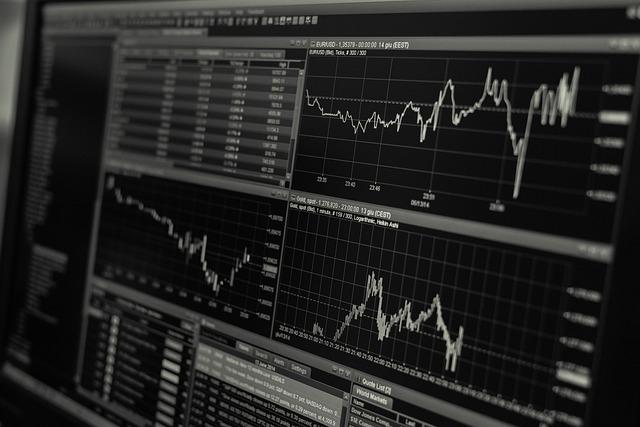
mastering the ebb and flow of the market isn’t just about watching numbers—it’s about recognizing *patterns* and knowing when to trust your gut. Smart traders don’t jump in blindly; they tune into signals that others frequently enough miss. Look out for indicators like volume spikes, price momentum shifts, and changing investor sentiment. These subtle clues can signal when a trend is gaining strength or about to reverse, giving you that crucial edge.
To sharpen your instinct, here’s a swift cheat sheet of must-watch factors:
- moving Averages: Smooth out daily noise to see the bigger picture.
- Support & Resistance Levels: Where prices tend to pause or bounce.
- Volume Confirmation: Validate moves by checking if volume supports the price action.
- Market Sentiment: Keep an eye on news and social chatter—it moves markets more than you think.
| trend Signal | What It Means |
|---|---|
| Higher Highs & Higher Lows | Uptrend strengthening |
| Lower Highs & Lower Lows | Downtrend in motion |
| Volume Spike | potential breakout or reversal |
| moving Average Crossover | Trend direction shift |
How to Manage Your Risk Without losing Sleep
One of the biggest challenges traders face is balancing risk and peace of mind. To keep anxiety at bay,it’s essential to create a smart,transparent risk plan before you even make a move. This means setting clear stop-loss levels and deciding in advance exactly how much capital you are willing to put on the line per trade. By treating risk management as a non-negotiable rule rather than a vague idea,you can avoid those sleepless nights staring at charts. Remember, the goal is to protect your downside so that a few bad trades don’t wipe out your confidence or your account.
Here’s a quick checklist that you can keep by your desk or phone to stay grounded:
- Define your maximum acceptable loss per day/week
- Use position sizing to limit exposure
- Automate stop losses to remove emotional interference
- Diversify trades to spread risk
- Review your risk rules after every trade for improvements
| Risk Factor | Comfort Level | Action |
|---|---|---|
| Loss per Trade | 1-2% of Capital | set Stop Loss |
| Daily Loss Limit | 3% of Capital | Pause Trading |
| Emotional Stress | Moderate | Take breaks |
Insider Tips for Spotting the Best Entry Points
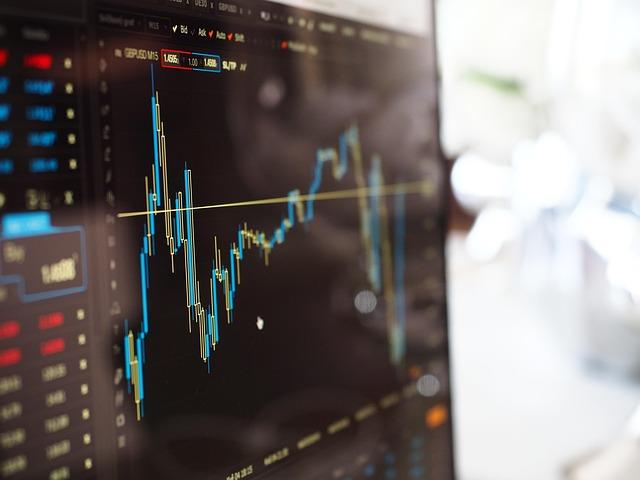
Understanding when to jump into a trade can be the difference between a huge win and a frustrating loss. One of the best ways to spot prime entry points is by focusing on key support and resistance levels rather than chasing the crowd.These zones serve as natural turning points for price movements. Combine this with monitoring volume spikes—they often confirm the strength or weakness behind a move. If you see a bounce off support accompanied by a surge in volume, that’s a green flag waving for a potential entry.
Another powerful trick is to use multiple timeframe analysis. Such as, spotting a bullish setup on a daily chart while the weekly chart is still showing a strong uptrend can boost your confidence significantly. Here’s a quick cheat sheet for what to look for:
- Confluence: When moving averages, Fibonacci retracements, and previous swing highs/lows align, it’s like hitting a jackpot zone.
- Divergence: Price moving down while your RSI or MACD moves up? This bullish divergence is often an early sign of reversal.
- Confirmation Candles: Patterns like pin bars, engulfing candles, or morning stars at key zones increase the odds of success.
| Technique | What to Watch For | Why it effectively works |
|---|---|---|
| Volume Spike | Sudden increase in trading volume | Confirms interest and momentum |
| Multi-Timeframe Setup | Alignment on daily and weekly charts | Improves trade accuracy |
| Bullish Divergence | Price falls, indicator rises | Signals possible reversal |
Mastering Your Mindset for consistent Wins
Consistency in trading isn’t just about having a great strategy—it’s about training your brain every single day. The biggest winners know how to keep their emotions in check and steer clear of impulsive decisions. To build this mental muscle, consider incorporating daily habits like:
- Journaling your trades: Write down what you felt before, during, and after each trade to identify emotional patterns.
- Visualization techniques: Picture your ideal trading day to reinforce positivity and confidence.
- Mindfulness breaks: Taking short pauses to breathe deeply can kill anxiety and boost focus.
Over time, these small mindset tweaks add up, making your reactions less reactive and more strategic—exactly what you need to rack up those consistent wins.
| Mindset Focus | Daily Action | Impact |
|---|---|---|
| Emotional Awareness | Track feelings in trade journal | Spot risky emotional triggers |
| Confidence Building | Visualize success before trading | Reduce self-doubt & hesitation |
| Stress Management | Breathe deeply between trades | Maintain calm & clear thinking |
tools and Resources Every Trader Swears By
Every seasoned trader knows that success isn’t just about gut feelings; it’s about leveraging the right tools to stay ahead. From real-time data feeds to advanced charting platforms, these resources turn chaos into clarity. Among the favorites are TradingView for its intuitive interface, MetaTrader 4/5 for diverse market access, and Thinkorswim because of its powerful customization. don’t forget risk management apps like Risk navigator which help you avoid costly mistakes before they happen. Keeping a close eye on economic calendars and news aggregators such as Investing.com or Bloomberg also ensures you won’t be blindsided by major market-moving events.
Beyond these essentials, the pros swear by automation and community. Tools like TradeStation offer automation features that let you execute strategies without lifting a finger. Joining online communities such as r/WallStreetBets or Elite Trader can open doors to unheard-of insights and fresh tactics from fellow traders. To help you visualize the power of these tools, here’s a quick glance at what experts prioritize:
| Tool Category | Example Platform | Key Benefit |
|---|---|---|
| Charting & Analysis | TradingView | Customizable indicators & social sharing |
| Order execution | MetaTrader 5 | Access to forex, stocks, & futures |
| Risk Management | Risk Navigator | Real-time exposure tracking |
| market News | Bloomberg | Up-to-date global financial news |
| Community & Ideas | Elite Trader Forum | Peer support & strategy sharing |
Q&A
Q&A: Secrets from a Trading Expert – Tips You Can Actually Use
Q: So, you’re a trading expert—what’s the biggest myth about trading that beginners should stop believing?
A: Oh, the biggest myth has to be “trading is a get-rich-quick scheme.” newsflash: it’s not. Trading takes patience, discipline, and a ton of learning. If you think you can just jump in and make a fortune overnight, you’re setting yourself up for heartbreak.
Q: Fair enough.But what’s the one tip you wish every newbie knew before they start trading?
A: Start small and focus on risk management.Seriously, don’t go all-in because you watched some flashy YouTube video.Use stop-loss orders, never risk more than 1-2% of your capital on a single trade, and be disciplined about it. Protecting your money is way more important than chasing crazy profits.
Q: Got it.What about tools and resources—any hacks?
A: Absolutely! Use simple charting platforms before diving into complex software.Stick to a couple of reliable news sources and avoid information overload.Oh, and journals are a game-changer. Write down every trade—why you entered, exited, and how you felt. It helps you learn from mistakes and spot patterns in your own behavior.
Q: How important is emotional control in trading?
A: It’s everything! Trading can mess with your head—fear,greed,excitement. The best traders treat it like a business, not a roller coaster ride. If something feels like an emotional gamble, it probably is. take breaks, meditate, or do whatever helps you stay calm and clear-headed.
Q: Can you share a quick tip that even experienced traders might overlook?
A: Don’t ignore the power of consistency over perfection. You don’t need to nail every trade; you just need to be consistently good. Focus on having a solid strategy, and stick to it. The markets won’t care about your ego—they’ll just keep moving.
Q: One last thing—any advice on learning from losses?
A: Oh, losses are part of the game. Instead of beating yourself up,analyze what went wrong without emotions.Maybe your entry was off, or maybe market conditions changed. Then adjust your strategy and move on.If you learn from losses, you’re actually winning.
—
Trading isn’t magic,but armed with these insider tips,you can navigate the ups and downs with way more confidence.Ready to start? Just remember: slow and steady wins the race!
Future Outlook
And there you have it — some real, no-fluff tips straight from the trading pros that you can start using today.Trading doesn’t have to be this mysterious, complicated thing reserved for Wall Street elites. With the right mindset, a bit of patience, and these insider secrets up your sleeve, you’re already ahead of the game. So, take what you’ve learned, test it out, and remember: every expert was once a newbie. Happy trading, and may your portfolios always be in the green!


