

hey there, fellow traders! Whether you’re a newbie just dipping your toes into the world of stocks, crypto, or forex, or you’ve been around the block a few times, having a solid set of trading tips up your sleeve can make all the difference. The market moves fast, trends change in the blink of an eye, and making smart decisions can sometimes feel like trying to catch lightning in a bottle. But don’t sweat it! In this post, we’re breaking down the top trading tips you need to know today to help you trade smarter, manage risks better, and hopefully boost those profits. Ready to level up your trading game? Let’s dive right in!
Getting Started with the Basics Before You Dive In
Before jumping headfirst into the thrilling world of trading, it’s essential to lay a solid foundation. Think of it like building a house—you wouldn’t start with the roof, right? Start by understanding the basic terminology and concepts like stocks, bonds, market orders, and stop-losses. Gaining this knowledge can save you from costly mistakes and help you navigate the market with confidence. Also,get comfortable with the tools of the trade: your trading platform,charts,and indicators. Mastering these basics will give you the edge to identify opportunities and risks more efficiently.
Setting realistic goals is another crucial step before diving in. Trading isn’t a get-rich-quick scheme; it’s a skill that requires patience,discipline,and continuous learning. Keep your expectations in check and focus on consistent progress rather than immediate gains. Here’s a quick overview of what beginners should keep in mind:
- Start Small: Use a demo account or invest small amounts to test your strategies.
- Keep a Trading Journal: Track your trades to learn from successes and mistakes.
- Control Emotions: Fear and greed can cloud judgment; stay calm and stick to your plan.
| Basic Term | What It means |
|---|---|
| Stop-Loss | Auto-sell to prevent big losses |
| Market Order | Buy/Sell instantly at current price |
| IPO | When a company goes public |
Mastering Risk Management Like a Pro
Understanding how to protect your capital is the backbone of any successful trader’s journey. it’s not about avoiding risk altogether, but managing it smartly so you can stay in the game longer and grow your profits steadily. Start by defining your risk tolerance per trade — a common rule is never to risk more than 1-2% of your total trading capital on a single position. This way, a few losses won’t wipe you out. Also, always set stop-loss orders; think of them as your safety net that kicks in before small mistakes turn into big disasters.
aside from using stop-losses,diversifying your trades is another pro move. Don’t put all your eggs in one basket — spread your exposure across different assets or markets to reduce the impact of any single loss. Here are a few key risk management strategies to keep top of mind:
- position sizing: Adjust the volume of each trade based on market volatility and personal risk appetite.
- Risk/reward ratio: Aim for trades offering at least a 1:2 ratio to ensure your potential reward justifies the risk.
- Regular review: Keep an eye on your portfolio and adjust your risk limits according to changing market conditions.
| Risk Strategy | Benefit |
|---|---|
| Stop-Loss Orders | Limits loss on each trade |
| Position Sizing | Prevents overexposure |
| Diversification | Reduces portfolio volatility |
| Risk/Reward Ratios | Maximizes profit potential |
Spotting Market Trends Without Breaking a Sweat
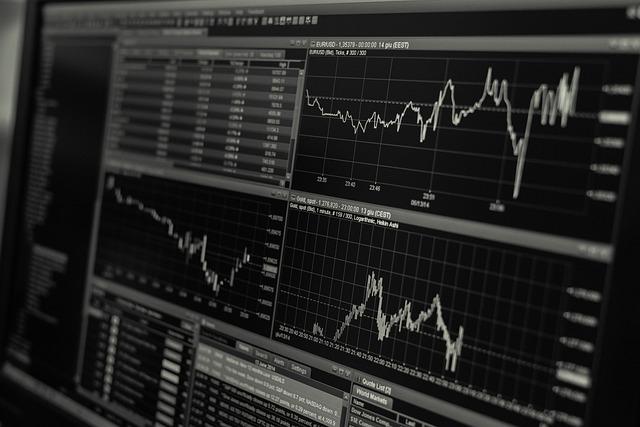
Keeping an eye on market shifts doesn’t have to drain your energy or require a Wall Street degree. Instead, focus on simple, actionable techniques that help you read the room like a pro. Start by tuning into volume spikes—these sudden surges in trading activity frequently enough foreshadow upcoming moves. Pair this with watching key support and resistance levels; when prices hover near these zones, it’s a prime time to anticipate a breakout or reversal. Remember, the market loves to send subtle signals; catching these early sets you apart from the crowd.
Another game-changer? Use technology to your advantage. There’s no need to manually track every flicker; reliable alerts and smart indicators make trend spotting a breeze.Look out for:
- Moving Averages that cross over, signaling momentum shifts
- Relative Strength Index (RSI) levels indicating overbought or oversold conditions
- news catalysts that can spark sudden movements
| Signal | What to Watch | Why it Helps |
|---|---|---|
| Volume Spike | Unusual trade volume | Indicates increased interest |
| MA Crossover | Short MA crosses long MA | Momentum shift alert |
| RSI Extremes | Above 70 or below 30 | Signals overbought/oversold |
Tools and Tech That Will Boost Your Trading Game
To elevate your trading strategy, leveraging the right tools and technology can make all the difference. In today’s fast-paced markets, relying solely on gut feeling just won’t cut it. From advanced charting platforms to AI-driven analytics, technology empowers traders with real-time insights and data at their fingertips. Platforms like TradingView or MetaTrader offer intuitive interfaces paired with powerful indicators, allowing you to spot trends and entry points faster than ever before. Meanwhile, automated trading bots help eliminate emotional decisions by executing trades based on pre-set rules.
Here’s a quick rundown of some must-have tools every trader should consider:
- Real-time market scanners: Quickly identifies top movers and opportunities.
- Economic calendar apps: Keeps you ahead of pivotal news events impacting assets.
- Risk management software: Helps you set stop losses and manage position sizes smartly.
- Mobile trading apps: Trade on the go without missing a beat.
| Tool | purpose | Best For |
|---|---|---|
| TradingView | Advanced chart analysis | Technical traders |
| MetaTrader 4/5 | Forex & CFD trading platform | Algorithmic trading |
| bloomberg Terminal | Comprehensive market data | Professional investors |
| CoinMarketCap App | Cryptocurrency tracking | Crypto traders |
How to Keep Your Emotions in Check for Better Decisions
Emotions can be a trader’s worst enemy. When fear or greed takes control, impulsive decisions often follow, leading to unneeded losses. To stay on top of your game, start by creating a pre-trade checklist that includes clear entry, exit, and stop-loss points.This rulebook acts as a safety net, reminding you to stick to your plan even when the market gets hectic. Remember, trading isn’t about chasing quick wins—it’s about steady consistency. Try incorporating mindfulness exercises like deep breathing or short walks before reviewing your trades; these simple habits help clear your mind and reset your focus.
Another game-changer is tracking your emotional reactions as much as your trades. Keep a journal noting how you felt during each important move—whether it was excitement, frustration, or doubt. Over time, patterns emerge, showing which emotions trigger poor choices.Below is an easy way to log your feelings and decisions:
| Date | trade Type | Emotion Felt | Outcome |
|---|---|---|---|
| 04/12/2024 | Buy | Impulsive Excitement | Loss |
| 04/13/2024 | Sell | Calm Confidence | Profit |
By staying aware of your emotional state and using practical tools like checklists and journals, you can keep your feelings in check and make smarter, more calculated decisions.The key is discipline—treat your emotions as signals to pause and assess, not as commands to act immediately.
Q&A
Q&A: Top Trading Tips You Need to Know Today!
Q: I’m new to trading—what’s the very first thing I should do?
A: Start with education! Before throwing money into the market, learn the basics. Understand different asset types, how the markets work, and common trading strategies. There are tons of free resources online—videos, articles, even beginner-friendly courses. Knowledge = power!
Q: How crucial is having a trading plan?
A: Super critically important! Jumping in without a plan is like sailing without a map. A solid plan helps you set goals, manage risks, and decide when to enter or exit trades. It keeps emotions in check, which can save you from making impulsive decisions.
Q: Speaking of emotions, how do I keep them from messing up my trades?
A: Good question. trading can be a rollercoaster, especially when money’s involved. Try to stick to your plan and use stop-loss orders to automatically limit losses.Also, take breaks when you’re feeling overwhelmed—sometimes stepping back is the best move.
Q: Is it better to trade frequently or hold long-term?
A: Depends on your style and goals. Day traders seek quick profits by making many trades a day, while long-term investors hold positions for months or years. If you’re just starting, long-term investing might be less stressful and easier to manage while learning the ropes.
Q: What’s the biggest mistake new traders make?
A: overtrading and chasing losses.It’s tempting to try to win back lost money quickly, but that usually leads to bigger losses. Patience and discipline are key—sometimes the best trade is no trade at all.
Q: How much money should I start with?
A: Only use money you’re comfortable losing. Trading involves risks, and there are no guarantees. Many platforms allow you to start with small amounts or practice with demo accounts—perfect for getting your feet wet without risk.
Q: Any advice on picking which stocks or assets to trade?
A: Do your homework! Look into companies or assets you understand, check recent news, and analyze trends. Diversifying your trades helps lower risk—don’t put all your eggs in one basket.
Q: What tools or platforms would you recommend?
A: Go for user-friendly platforms with good educational support and demo accounts. Apps like Robinhood, eToro, or Webull are popular among beginners. Also, consider charting tools and news feeds to help you make informed decisions.
Q: How do I stay updated on market changes?
A: Follow financial news sites, subscribe to newsletters, and join trading communities online. Staying informed lets you spot opportunities and avoid surprises.
Q: final tip for someone ready to start trading?
A: Be patient, keep learning, and remember: trading isn’t a get-rich-quick scheme. Treat it as a skill to develop over time, and celebrate small wins along the way. Happy trading!
Concluding Remarks
And there you have it — some of the top trading tips you NEED to keep in your arsenal if you want to play the market smarter, not harder. Remember, trading isn’t just about luck; it’s about strategy, patience, and staying sharp. So, keep learning, stay disciplined, and don’t be afraid to adjust your game plan as you go. Ready to take those tips and crush it? Let’s get out there and make some moves! Happy trading! 🚀📈


