

Hey there,future trader! So,you’ve been hearing all teh buzz about making money in the markets adn thought,“Hey,maybe I should give this trading thing a shot.” But where do you even start? Don’t worry — you’re in the right place. This beginner-kind guide breaks down the basics of trading into bite-sized pieces,no confusing jargon or elaborate charts. Whether you’re aiming to buy your first stock or just want to understand what all the hype is about, stick around. Trading 101 is here to help you take those exciting first steps with confidence and a smile. Let’s dive in!
Getting to Know the Basics: What Trading Really Is
At its core, trading is all about buying and selling assets with the goal of making a profit. whether it’s stocks, currencies, or commodities, traders aim to capitalize on market price fluctuations. Think of it like a marketplace where the value of items rises and falls based on supply, demand, and external events. Unlike investing, which often involves holding assets long-term, trading usually focuses on shorter time frames, making rapid decisions, and reacting to market trends.
To get started,you don’t need to be a financial wizard — just a bit of understanding and the right tools. Here are some basic elements every beginner should keep in mind:
- Market Types: Different markets like Forex, stocks, and cryptocurrencies each behave uniquely.
- Order Types: Knowing the difference between market orders, limit orders, and stop orders can save you from costly mistakes.
- Risk Management: Protecting your capital by setting stop-loss points and using position sizing is key.
| Term | What It Means |
|---|---|
| Bid | Price buyers are willing to pay |
| Ask | Price sellers want |
| Spread | difference between Bid & Ask |
| Leverage | Using borrowed money to increase exposure |

Picking Your Playground: Stocks, Forex, or Crypto?
When it comes to choosing your first trading playground, the options can feel a bit like a candy store—stocks, forex, or crypto. Each market has its own vibe, risk level, and pace, so it’s all about finding the one that matches your personality and goals. Stocks,for example,are the classic choice. You’re essentially buying tiny pieces of companies you believe in. Thay tend to offer stability with occasional volatility, making them great for long-term growth and dividends. if you’re the type who likes digging into company reports and tracking economic news, this might be your playground.
Forex and crypto,conversely,are playgrounds for thrill-seekers who love fast action. Forex—the global currency exchange—is known for its high liquidity and 24-hour trading cycle. It’s perfect if you want to take advantage of global economic shifts, but beware, it can be volatile.Crypto, the newest kid on the block, is notorious for its wild price swings and enormous potential gains but comes with higher risks and less regulation. Here’s a quick rundown to help you size up your options:
- stocks: Established, relatively stable, better for long-term investors.
- Forex: Highly liquid, fast-paced, perfect for day traders and global watchers.
- Crypto: Volatile,high risk/high reward,great for those who embrace innovation.
| Market | Trading Hours | Volatility | Best For |
|---|---|---|---|
| Stocks | 9:30 AM – 4:00 PM (NYSE) | Medium | Long-term investors |
| Forex | 24/5 | High | Active traders |
| Crypto | 24/7 | Very High | Risk-tolerant innovators |
how to Spot a Good Trade Without Losing your Shirt
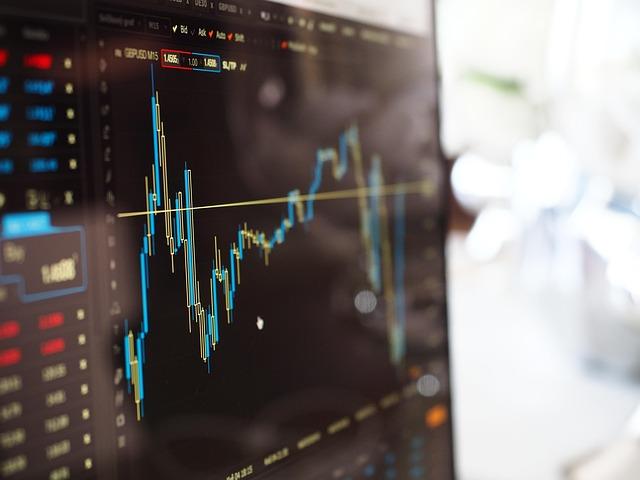
Finding a solid trading opportunity comes down to a mix of research, discipline, and a keen eye for market signals. Before diving in,make sure you’re not chasing hype or emotional upswings—these frequently enough lead to needless losses. Rather, focus on key indicators like support and resistance levels, volume spikes, and clear entry and exit points. Keeping a trading journal can also help spot patterns in your own behavior—because sometimes the biggest risk is your own impatience or overconfidence.
- Risk management: Never risk more than 2% of your capital on a single trade.
- Stay informed: Follow market news and trending sectors but verify before acting.
- Set stop-loss orders: Protect yourself from unexpected market swings.
- Look for confluence: When multiple indicators align, chances of success improve.
| Factor | What to Look For | Why It Matters |
|---|---|---|
| Volume | Unusual spikes | confirms strength behind move |
| Price Action | Clear support/resistance | Identifies potential turning points |
| News | Market-moving headlines | Can cause volatility or trends |
| Indicators | MACD, RSI convergence | Signals possible momentum shifts |
Tools of the Trade: Apps and Resources That Actually Help
When starting out, having the right toolkit can make all the difference. Forget about juggling multiple tabs or scribbling notes on scrap paper—there are apps designed to simplify trading for beginners. For real-time market tracking, TradingView offers customizable charts and social features to learn from other traders. Meanwhile,Investing.com serves up an all-in-one package with news, economic calendars, and price alerts. And if you’re trying to sharpen your strategy, apps like Thinkorswim provide simulated trading environments where you can test ideas without risking a dime.
beyond apps, tapping into reliable learning resources boosts your confidence. Check out these must-know tools:
- BabyPips: A beginner-friendly site packed with simple lessons on forex basics.
- Stock Screener Pro: Filters stocks based on criteria like price, volume, and market cap.
- Google Finance: Clean interface for instant snapshots of your portfolio and market news.
| App/Resource | Best for | Free/Paid |
|---|---|---|
| tradingview | charts & Community Ideas | Free + Premium |
| Investing.com | Market News & Alerts | Free |
| Thinkorswim | Simulated Trading | Free (with account) |
| BabyPips | Learning Forex Basics | Free |
| Stock Screener Pro | Stock Filtering | Free + Paid Options |
Building Your First Trading Plan without Overcomplicating It
When you’re just starting out,it’s easy to get overwhelmed by all the “expert” advice on building a trading plan. The truth is,a solid plan doesn’t have to be complicated. Focus on three key elements: your goals, your risk tolerance, and your trade execution rules. Define what success looks like for you—whether it’s making a fixed monthly return or simply learning to spot patterns. Then, decide how much you’re cozy risking per trade without losing sleep over it. create clear entry and exit signals that fit your style, whether that’s breaking news, technical indicators, or simple price action.
Here’s a quick cheat sheet to keep your plan neat and manageable:
- Goal Setting: Define realistic profit targets and timeframes.
- Risk Management: Decide on a max percentage of your capital to risk per trade.
- Entry Rules: Specify when you will buy or sell (e.g., moving average cross).
- Exit Rules: Determine your stop-loss and take-profit points upfront.
| Plan Element | Example | Why It Matters |
|---|---|---|
| Goal Setting | 10% monthly growth | Keeps you focused and realistic |
| Risk Management | 1% per trade | Protects you from big losses |
| Entry Rules | Buy if RSI < 30 and price breakout | Makes trade decisions consistent |
| Exit Rules | Stop-loss 2% below entry, take-profit at 5% | Controls risk and locks profit |
Q&A
Trading 101: A Simple Starter Guide for Newbies Like You – Q&A
Q: What exactly is trading?
A: Great question! Trading is basically buying and selling assets—like stocks, currencies, or cryptocurrencies—with the goal of making a profit. Think of it like buying sneakers on sale and selling them later for more cash.Simple, right?
Q: Do I need a lot of money to start trading?
A: Nope! Thanks to online platforms, you can start trading with just a small amount, sometimes as little as $50 or $100. Of course, bigger investments might bring bigger profits, but also bigger risks. Start small, learn the ropes, then decide if you want to scale up.
Q: What’s the difference between trading and investing?
A: Good one! Investing is more like a marathon—holding assets for the long haul, hoping they grow over years. Trading is like a sprint—buying and selling frequently to catch short-term price moves. Both can make money, but trading requires more active monitoring.
Q: which markets can I trade in?
A: Tons of options out there! You’ve got stocks (like Apple or Tesla), forex (currency pairs like USD/EUR), crypto (Bitcoin, anyone?), commodities (gold, oil), and more. pick what interests you, but start with one to avoid feeling overwhelmed.
Q: What tools do I need to start trading?
A: Just a computer or smartphone and internet connection! then, sign up with a trading platform or brokerage. Most have beginner-friendly interfaces, tutorials, and even demo accounts so you can practice without risking real money.
Q: Is trading risky?
A: Yup, it definitely can be. Prices can go up and down quickly. The key is to learn,start small,and never invest money you can’t afford to lose. Also, using tools like stop-loss orders helps limit potential losses.
Q: How can I learn to trade better?
A: Read blogs (like this one!), watch YouTube tutorials, join trading communities, and practice with demo accounts. Experience is your best teacher.Plus, don’t hesitate to learn some basics of technical analysis—it’s like reading a map of price movements.
Q: What’s a “broker,” and why do I need one?
A: A broker is like your middleman who connects you to the markets. They offer platforms where you place buy or sell orders. choose one that’s reliable, has low fees, and is beginner-friendly.
Q: Should I follow “hot tips” or trading signals?
A: Be cautious here. While some signals might be legit, many are just guesses or scams. Rather, focus on building your own understanding. remember: if it sounds too good to be true, it problably is.
Q: Any last tips for newbies?
A: Definitely! Patience and discipline are your best friends. Don’t rush to make big profits overnight. Keep learning, manage your risks, and enjoy the journey. Trading isn’t a get-rich-quick scheme—it’s a skill you build over time.
Hope this Q&A cleared up some of your burning questions. Ready to dive in? Let’s get trading! 🚀
Insights and Conclusions
And there you have it—your crash course in the basics of trading! Remember, everyone starts somewhere, and it’s totally okay to feel a bit overwhelmed at first. The key is to keep learning, stay patient, and don’t be afraid to make mistakes along the way. Trading isn’t about getting rich overnight; it’s about building knowledge and confidence step by step. So, take what you’ve learned here, keep practicing, and before you know it, you’ll be making moves like a pro. Happy trading, and here’s to your journey ahead! 🚀📈


