

So, you’re ready to dip your toes into teh world of trading—but where do you even start? Don’t worry, we’ve all been there. Trading might seem like a complex game reserved for financial gurus, but the truth is, anyone can get the hang of it with a little guidance and some smart tips. Whether you want to trade stocks, crypto, or anything in between, this beginner-friendly guide has got your back.Let’s break down some easy-to-follow tips that’ll help you trade smarter (not harder) and avoid beginner mistakes that can cost you big. Ready? let’s jump in!
Choosing the Right Market to jump Into
Jumping into the trading world without picking the right market is like trying to navigate without a map. Different markets come with their own vibes, volatility levels, and learning curves.For newbies, it’s crucial to evaluate not just what’s popular, but what suits your personality and risk tolerance. Forex might appeal if you love fast-paced trading with plenty of daily fluctuations, while stocks could be more your speed if you prefer analyzing company performances and trends over time.
Before committing your hard-earned cash, consider these factors to help you decide:
- Volatility – How much does the price swing? High volatility offers big chances but bigger risks.
- Liquidity – Will you be able to buy/sell without hassle? Markets like forex and big stocks usually have high liquidity.
- Market Hours – Does it fit your schedule? Some markets never sleep, others work around local buisness hours.
- Costs & Fees – Watch out for commissions, spreads, or overnight fees that can eat into profits.
| Market | volatility | Liquidity | Ideal For |
|---|---|---|---|
| Forex | High | Very High | Rapid trades, global exposure |
| Stocks | Medium | High | Long-term growth, company analysis |
| Cryptocurrency | Very High | Medium | Speculation, 24/7 market |
| Commodities | Medium | Variable | Global events, inflation hedge |
Understanding the Basics of Risk and Reward
When diving into trading, one concept you’ll hear non-stop is the balance between risk and reward. At its core, it’s about how much you’re willing to perhaps lose versus what you aim to gain. Think of it like a seesaw—if you want bigger rewards, you usually have to accept higher risks. However, smart traders don’t just chase rewards blindly; they carefully analyze which risks make sense and which don’t. This plays a huge role in determining your trade size, stop-loss levels, and even the types of assets you choose.
Here’s a quick look at what to keep in mind when managing this balance:
- Risk tolerance: Know how much loss you can handle emotionally and financially.
- Reward expectations: Set realistic targets to avoid chasing impossible gains.
- Risk-reward ratio: Aim for trades where the potential reward outweighs the risk—commonly 2:1 or better.
| Risk-Reward ratio | Interpretation |
|---|---|
| 1:1 | Breaking even potential |
| 1:2 | Good balance; reward doubles risk |
| 1:3 | Highly favorable; low risk,high reward |

Setting Up Your trading Toolkit Like a Pro
to trade like a pro,your toolkit should be as sharp as your strategies. Start by picking a reliable trading platform—one that offers real-time data, intuitive charts, and customizable alerts. Don’t forget to explore add-ons like economic calendars and news feeds; these keep you one step ahead of market-moving events. A good trading setup isn’t just about software, though. A sturdy laptop or desktop, a second monitor for tracking multiple assets, and a cozy workspace can make all the difference when you’re analyzing charts for hours.
Beyond the gear,organizing your data and tools is key. Here’s a simple setup checklist you can follow:
- Trading Platform: user-friendly and fast execution
- Charting Tools: Multiple timeframes and technical indicators
- News Feed: Real-time updates
- Risk management Tools: Stop-loss and position sizing calculators
- Note-taking app: For tracking your trade ideas and lessons learned
| Tool | Purpose | Pro Tip |
|---|---|---|
| MetaTrader 5 | Advanced charting & order execution | Use its algorithmic trading features |
| TradingView | Collaborative charting & social ideas | Follow top traders for insights |
| Investing.com | Economic calendar & market news | Set alerts for key economic releases |
Mastering the art of Reading Charts and Trends
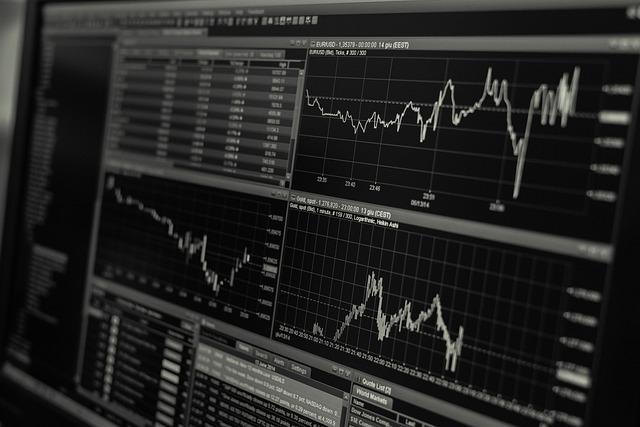
Jumping into the world of trading without understanding charts can feel like navigating a maze blindfolded. The key lies in recognizing patterns and trends that signal potential moves in the market.Start by getting comfortable with the basics—candlestick charts, moving averages, and volume indicators. These tools are your bread and butter, showing you where the market has been and hinting where it might go next. As a notable example, a series of higher highs and higher lows typically indicates an uptrend, while the opposite suggests a downtrend. Recognizing these early gives you a serious edge.
Keep in mind that no single indicator tells the full story. Combining chart analysis with other factors strengthens your decisions. here are a few quick tips to keep in mind:
- Look for support and resistance zones — these are price levels where markets tend to pause or reverse.
- Watch volume spikes — sudden increases in trading volume frequently enough confirm a new trend or signal a reversal.
- Use simple moving averages like the 20-day or 50-day — their crossovers can indicate trend changes.
| Chart element | What It Shows | Why It Matters |
|---|---|---|
| Candlestick Patterns | Price action in a given period | Identifies bullish or bearish momentum |
| Moving Averages | Average price over time | Smooths out noise; signals trend direction |
| Volume indicator | Number of shares or contracts traded | Confirms strength of price moves |
Keeping Your Cool When the Market Gets Wild
Market volatility can feel like a rollercoaster ride, especially if you’re new to trading. The key is to avoid making emotional decisions that lead to impulsive buys or panic selling. Instead, develop a clear plan ahead of time and stick to it no matter what.This includes setting realistic stop-loss orders and having profit targets. When the charts start flashing red, take a deep breath and remind yourself: crazy swings are just part of the game, not a personal attack.
Keeping a cool head also means equipping yourself with practical habits like:
- Taking regular breaks away from the screen to clear your mind.
- journaling your trades to understand patterns in your own behavior.
- Using a checklist to confirm every trade, ensuring no rash moves.
| Situation | Calm Reaction | Emotional Reaction |
|---|---|---|
| Unexpected Market Drop | Review your plan, check stop-loss | Sell everything immediately |
| Rapid Price Increase | Wait for confirmation, sell partial | Jump in fearing missing out (FOMO) |
| News-Driven Swings | Assess long-term impact calmly | React based on panic or hype |
Q&A
Trading 101: Easy Tips Every Newbie Should Know – Q&A
Q: I’m totally new to trading. Where do I even start?
A: Awesome question! Start by learning the basics—understand what stocks, bonds, ETFs, and other assets are. Get comfy with terms like “bull market,” “bear market,” “dividends,” and “stop-loss.” There are tons of free resources online, from YouTube videos to beginner-friendly blogs. Think of it as building your trading foundation before jumping in.
Q: Do I need a lot of money to start trading?
A: Nope! One of the best things about today’s trading apps is that you can start with just a few bucks. Some platforms even offer fractional shares, meaning you don’t have to buy a whole share of expensive stocks. Just remember—only trade money you can afford to lose!
Q: How do I pick what to trade?
A: Start with what you know or are interested in. If you love tech, maybe check out some big tech stocks. But don’t put all your eggs in one basket—diversify! Also, consider ETFs or index funds to spread out your risk while you’re learning the ropes.
Q: What’s the deal with “buy low, sell high”? Sounds easier said than done.
A: Truth! Timing the market perfectly is super tough, even for pros. Instead of trying to predict every move,focus on long-term goals. Consistent investing over time frequently enough beats trying to “outsmart” the market day-to-day.
Q: Should I follow tips from forums or social media?
A: Caution here! While forums can have helpful insights, they can also be filled with hype and opinions—not facts. Always double-check info, do your own research, and avoid making big moves based solely on hype or “hot tips.”
Q: What’s a stop-loss and why should I care?
A: A stop-loss is a nifty tool that automatically sells a stock if it drops to a certain price, helping limit losses. it’s like a safety net so you don’t freak out during big market swings and helps protect your hard-earned cash.
Q: How often should I check my trades?
A: Resist the urge to obsess! Checking onc a day or even weekly is usually enough, especially if you’re in it for the long haul. Over-monitoring can lead to stress and impulsive decisions.
Q: Any last advice for a newbie?
A: Yes! Be patient and stay curious. Trading isn’t a get-rich-quick scheme—it’s a skill you build over time. Keep learning, stay disciplined, and don’t let emotions drive your choices.Oh, and maybe get some popcorn ready for those market rollercoasters!
Got more questions? Drop them in the comments below—let’s learn together!
To Conclude
And there you have it—some easy, no-nonsense tips to get you started on your trading journey! Remember, everyone was a newbie at some point, so don’t stress about making mistakes. The key is to keep learning, stay patient, and never trade with money you can’t afford to lose.With a bit of practise and a cool head, you’ll be navigating the markets like a pro in no time. Happy trading, and keep those questions coming!


