

If you’ve ever dreamed of mastering the markets and making smart trades like the pros, you’re in the right place! Trading might seem like a complex game reserved for financial gurus, but with the right tips and tricks, anyone can boost their skills and start trading smarter today. In this article, we’re diving into expert advice that’ll help you level up your strategy, avoid common pitfalls, and trade with the confidence of a seasoned pro. Ready to take your trading game to the next level? Let’s get started!
Mastering Market Analysis to Spot Winning Trades
Unlocking the secrets of market movements requires more than just intuition; it demands a keen eye for patterns,trends,and data interpretation. Start by mastering technical analysis — use chart patterns like head and shoulders, flags, and triangles to gauge potential price directions. Combine these with indicators such as moving averages, RSI, and MACD to confirm signals.Simultaneously occurring, never underestimate the power of essential analysis — monitor earnings reports, economic indicators, and industry news to understand the bigger picture behind price shifts.
To keep your analysis sharp and actionable, consider structuring your approach with a checklist of key factors you review before entering a trade:
- current trend strength and momentum
- Volume changes that hint at buyer/seller dominance
- Upcoming news or events that could create volatility
- Risk-to-reward ratio aligning with your trading rules
| Analysis Type | Key Focus | Example Tools |
|---|---|---|
| Technical | Price patterns & indicators | RSI, Moving Averages, MACD |
| Fundamental | Economic & company data | Reports, news, Earnings |

Building a Strong Risk Management Plan You Can Actually Stick To
Consistency is king when it comes to managing risk in your trades.Establish clear, realistic rules and stick to them no matter what the market is doing. This means setting fixed stop-loss levels,defining your maximum daily loss,and deciding in advance how much capital to risk per trade. The goal is to eliminate emotional decision-making and create a safety net that protects your account from huge drawdowns. Remember, a plan that’s to complex or rigid will only frustrate you—simplicity is your best friend here.
To help you stay on track, use simple tools like trading journals and alert systems that remind you of your limits before you place a trade.Here’s a fast checklist to get you started:
- Set a max risk per trade: usually 1-2% of your capital.
- Define daily loss limits: stop trading for the day if you hit this.
- Use trailing stops: lock in profits as your trades move in your favor.
- Review and adjust: analyze your journal weekly to tweak your plan.
| Risk Component | standard Rule | Pro Tip |
|---|---|---|
| Risk Per Trade | 1-2% | Adjust after consecutive wins/losses |
| Daily Loss Limit | 3-5% | Stop trading for the day if hit |
| Stop-Loss Order | Set based on volatility | Use ATR for better placement |
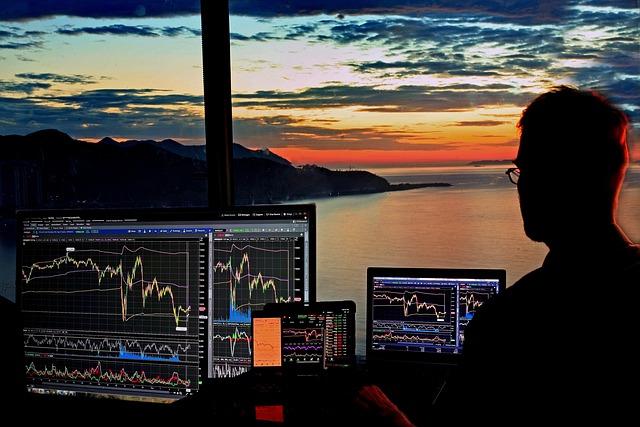
Choosing the Right Tools and Platforms for Seamless Trading
Finding the perfect setup for your trading journey is like crafting your own secret weapon. When selecting tools and platforms, focus on what suits your style—whether you’re a hands-on day trader or someone who prefers a more automated approach. Look for platforms combining intuitive dashboards, lightning-fast order execution, and customizable charts. Features such as real-time data feeds,advanced technical analysis indicators,and mobile accessibility make a huge difference in keeping you nimble and informed no matter where you are.
Don’t overlook the power of community and support too—they often come baked into top platforms, providing valuable insights, trade alerts, and educational resources. Here’s a quick comparison table to help you weigh your options:
| Platform | Best For | Key Features | Pricing |
|---|---|---|---|
| TradeExpress | Day Traders | Real-time alerts, lightning execution | Free + Premium |
| ChartMaster | Technical Analysts | Custom charts, 100+ indicators | Subscription |
| AutoTradePro | Algo Traders | Automated strategies, backtesting | One-time fee |
- User experience: seamless navigation keeps you sharp and efficient.
- Security: ensure your platform has solid encryption and two-factor authentication.
- Integration: compatible tools streamline your workflow.
Choosing the right tools means preparing yourself for smooth, confident trades—so give yourself the edge by picking platforms that mold perfectly to your trading personality.
Developing a Trading Routine That Keeps You Sharp and focused
Consistency is your best friend when it comes to trading like a pro.Establishing a daily routine sharpens your decision-making and reduces the emotional rollercoaster so many traders face. Start by setting specific time blocks dedicated solely to market analysis—no multitasking allowed. Incorporate regular breaks to prevent burnout; your brain needs those pauses to process data effectively. Keep a journal to document trades,thoughts,and lessons learned,which builds self-awareness and accountability over time.
- Pre-market planning: Review news, charts, and upcoming events.
- Focused trading sessions: Stick to your strategy without impulse moves.
- Post-market review: Analyze performance and adjust tactics.
| Routine Element | Recommended Time | Purpose |
|---|---|---|
| Market Research | 30-45 minutes | Identify opportunities & risks |
| Active Trading | 1-2 hours | Execute planned strategies |
| Breaks | 10-15 minutes | Recharge & clear your mind |
| Review & Journal | 20 minutes | Reflect & refine your approach |
Learning from Losses and Turning Setbacks Into Profits
Every trader hits bumps on the road, but the real winners are those who analyze their losses to fuel future gains. Rather of letting setbacks crush your confidence, treat them as valuable lessons. Break down what whent wrong—was it an emotional decision? A missed signal? Or perhaps a premature exit? By dissecting losses,you gain insights no strategy guide can teach,sharpening your intuition and resilience. Remember, in trading, a loss isn’t failure; it’s feedback that keeps your approach evolving.
To turn those setbacks into profits, adopt habits that encourage continuous growth:
- Keep a detailed trade journal to document every move and emotion
- Review and adjust your strategies regularly based on past mistakes
- Find mentors or communities to share experiences and learn new perspectives
- Set smaller, incremental goals that build momentum and confidence
| Common Setback | Lesson Learned | Actionable Fix |
|---|---|---|
| Overtrading | Losing control due to impatience | Implement strict trade limits per day |
| Ignoring Stop loss | Big losses spiral out of control | Always pre-set stop loss on entries |
| Chasing the Market | Jumping in on FOMO leads to mistakes | Wait for confirmation signals |
Q&A
Q&A: Trading Expert Tips – boost Your Skills Like a Pro Today!
Q: I’m new to trading.What’s the first thing I should focus on?
A: Start with the basics! Learn about different markets (stocks, forex, crypto), understand key terms, and get cozy with reading charts. Don’t rush into trading with real money before practicing on a demo account — this way,you can build confidence without risking cash.
Q: How important is having a trading plan?
A: Super important! A trading plan is like your roadmap. It outlines your goals, risk tolerance, strategies, and rules for entering and exiting trades. Without one, you’re basically guessing, and that’s a quick way to burn money.
Q: What’s the biggest mistake newbie traders make?
A: Letting emotions drive decisions. Fear and greed can make you hold losing trades too long or jump into trades without thinking. Stick to your plan, use stop losses, and trade with a clear head — not based on hype or panic.
Q: How do pros manage risk?
A: Pros rarely risk more than 1-2% of their trading capital on a single trade. They use stop losses strategically and diversify their trades. Remember, protecting your capital is more important than chasing big wins.
Q: Can technical analysis really help me make better trades?
A: absolutely! Reading charts, spotting trends, and using indicators (like moving averages or RSI) can give you an edge. but don’t rely solely on technicals — combine them with fundamental analysis and market news for a fuller picture.
Q: Is continuous learning necessary in trading?
A: 100%! Markets change, new strategies pop up, and the economy evolves. Stay curious, read blogs, watch tutorials, follow experienced traders, and learn from your own mistakes to keep improving.
Q: How do I stay disciplined and avoid overtrading?
A: Set clear rules for when to trade and stick to them. Use a journal to track your trades and review them regularly.If you find yourself trading out of boredom or frustration, take a break and step back.
Q: Any quick tip for boosting my trading today?
A: Focus on one market or strategy at a time instead of spreading yourself too thin. Master the small stuff first — like consistently sticking to your plan and managing risk — before trying complex techniques. Consistency beats randomness every time!
Got more questions? Drop them in the comments, and let’s boost those trading skills together! 🚀
In Conclusion
And ther you have it—some solid expert tips to help you trade smarter, not harder. Remember, becoming a pro doesn’t happen overnight, but with consistent effort and the right strategies, you’ll be leveling up in no time. So, keep learning, stay patient, and don’t be afraid to adapt. Your trading journey is all about growth, and with these tips in your toolkit, you’re well on your way to crushing those goals. Happy trading!


