

Thinking about diving into the world of trading but feeling a bit overwhelmed? You’re not alone! Trading might seem like a complex game reserved for experts with fancy charts and confusing jargon, but the truth is anyone can get started with just a few simple steps.Whether you want to dabble in stocks, crypto, or forex, this guide will walk you through easy tips to get you trading quickly and confidently. So,grab a coffee,relax,and let’s break down the basics in the friendliest way possible!
Getting to Know the Basics: What Every New Trader Should Understand
Jumping into trading without understanding the fundamentals is like trying to navigate a maze blindfolded.Before placing your first trade, it’s crucial to grasp the core concepts that form the backbone of any market. This includes knowing the difference between stocks, forex, and commodities, understanding order types like market, limit, and stop orders, and recognizing the role of liquidity and volatility in price movements. Mastery of these basics allows new traders to make informed decisions rather of just guessing or following the crowd.
Another key piece of the puzzle is risk management. Manny beginners dive headfirst into trading without setting clear limits, which frequently enough ends in frustration or loss. To keep your capital safe while learning, get familiar with:
- Position sizing: How much money you allocate per trade
- stop-loss orders: Predefined exit points to limit losses
- Risk-to-reward ratio: Balancing potential gain versus possible loss
| Concept | What You Need to Know | Why It Matters |
|---|---|---|
| Market Types | Stocks, Forex, Commodities | diversifies trading options and strategies |
| Order Types | Market, limit, Stop | Controls execution and manages costs |
| risk Management | Position Size, Stop-Loss, Reward Ratio | Protects your capital and sustains trading |
Choosing the Right Platform That Fits Your Style and Budget
Finding a platform that suits both your trading style and budget is essential for a smooth start. For beginners,it’s not just about looking for the cheapest option but balancing features with ease of use. Some platforms offer robust educational resources, making them perfect for those who want to learn as thay trade. Others prioritize low fees and commissions,helping you keep more of your profits. Think about what’s most important to you: do you want a simple interface and helpful tutorials, or are you focusing on advanced tools and detailed analytics? Understanding your priorities will help narrow down the options faster.
Here’s a quick breakdown to help guide your decision:
| Platform Type | Best For | Average Cost | Key Feature |
|---|---|---|---|
| Beginner-Friendly | New traders wanting simplicity | Low to Free | Intuitive design & tutorials |
| discount Broker | Cost-conscious traders | Very Low Fees | Low commissions on trades |
| Advanced Platform | Tech-savvy and active traders | Moderate to High | Complex charting & analytics |
- Demo accounts: Try before committing real money.
- Mobile apps: Trade anytime, anywhere.
- Customer support: Quick help speeds up your learning curve.
Don’t rush the choice – the right platform will boost your confidence and help you stay consistent, two things that matter a lot in trading success.

Mastering Simple Strategies That Actually work for Beginners
Getting started in trading doesn’t have to be overwhelming. Focus on building a solid foundation by sticking to simple, proven techniques that eliminate guesswork. For example, mastering basic trend following and understanding support and resistance levels can give you a clear edge without drowning you in complex charts. Remember, the goal is to keep your approach straightforward and consistent—complexity often leads to confusion and costly mistakes for beginners.
Here are some easy-to-apply strategies that work wonders when you’re just starting out:
- Trend Following: Identify and follow the market’s direction rather than trying to predict reversals.
- Breakout Trading: Watch for key price levels where the stock or crypto breaks out and moves sharply.
- Risk Management: Never risk more than 1-2% of your trading capital on a single trade.
- Keep a Trading Journal: Record every trade to learn from your successes and mistakes.
| Strategy | What It Focuses On | Why Beginners Like It |
|---|---|---|
| Trend Following | Market Direction | Simple to spot and follow |
| Breakout Trading | Price Surges | Clear entry and exit points |
| Risk Management | Capital Protection | Lowers chances of big losses |
Avoiding Common Pitfalls That Can Drain Your Wallet Fast
Jumping into trading without a solid game plan can quickly turn your wallet into a punching bag.One of the biggest mistakes newbies make is chasing losses—doubling down on bad trades hoping to bounce back fast. This emotional trap usually leads to even bigger losses. Stick to a strategy and remember that not every trade will be a winner. Also,beware of the overtrading craze. More trades don’t necessarily mean more profits. Find your rhythm,set limits on how many trades you open daily,and resist the urge to react impulsively to every market twitch.
Another sneaky wallet drainer is ignoring fees and commissions. It’s easy to overlook small costs, but they add up fast, especially if you’re trading frequently. Here’s a quick glance at typical trading expenses you should monitor:
| Fee type | Typical Cost | Impact |
|---|---|---|
| Broker Commission | $5 – $10 per trade | Can erode profits on low-margin trades |
| Spread | Variable per asset | Hidden cost affecting entry & exit prices |
| Overnight Fees | fraction of position size | Applies to leveraged trades held overnight |
tracking these costs helps you avoid surprises and keeps your trading budget intact. Lastly, skip the temptation to mimic others blindly. Everyone’s risk tolerance and goals differ.Craft your own trading style and take advantage of educational resources to build confidence.Trust yourself more than the hype.
Building Confidence by Tracking Your Progress and Learning Daily
one of the most underrated ways to boost your trading confidence is by keeping a consistent record of your progress. When you jot down your daily wins, losses, and learnings, you get a crystal-clear view of what’s working and what needs tweaking. It’s not just about numbers—tracking helps you celebrate the small victories and learn from mistakes without feeling overwhelmed.Plus, over time, seeing your gradual improvement motivates you to keep pushing forward!
Make it simple and enjoyable by adopting these easy habits:
- Use a trading journal: Note your trade setups, emotions, and outcomes.
- Set daily learning goals: Even 10 minutes reading or watching videos can build knowledge fast.
- Review your top trades weekly: Identify patterns and successful strategies.
| Day | Trade Result | Lesson Learned |
|---|---|---|
| Mon | +5% | Patience pays off |
| Tue | -2% | Set tighter stop loss |
| Wed | +3% | Follow trend signals |
Q&A
Q&A: Trading for Newbies – Easy Tips to Get Started Fast
Q: I’m brand new to trading. What’s the first thing I should do?
A: Great question! The very first step is to learn the basics. Think of trading like learning a new sport — you gotta know the rules before jumping in. Start by understanding key terms like stocks, ETFs, orders, and brokers. There are plenty of free resources online—videos,blogs,and even beginner-friendly courses.
Q: How much money do I really need to start trading?
A: The cool part? You don’t need a fortune! Many brokers let you start with as little as $100 or even less. Having mentioned that, don’t throw in money you can’t afford to lose. Trading can be risky, so start small and build up as you get more comfortable.
Q: Should I pick specific stocks to trade or use something simpler?
A: For newbies, ETFs (exchange-traded funds) are a great way to dip your toes. ETFs are like baskets of stocks, giving you a bit of everything, which helps spread out risk. It’s less stressful than betting all your bucks on one company.
Q: What’s the difference between day trading and long-term investing?
A: Day trading is about quick moves—buying and selling within the same day to capitalize on small price swings.Long-term investing means holding onto assets for months or years, hoping they grow over time. As a newbie,long-term investing is usually safer and less hectic.
Q: How do I choose the right broker?
A: Look out for low fees, a user-friendly platform, and reliable customer support. Many brokers offer demo accounts, which let you practice trading with fake money—this is gold for beginners.
Q: Any quick tips to avoid rookie mistakes?
A: Definitely! First, don’t chase “hot tips” or try to get rich overnight. stick to your plan and don’t let emotions drive your decisions. Also, always use stop-loss orders to limit potential losses. And remember—patience pays off.
Q: Can I trade on my phone or do I need a fancy setup?
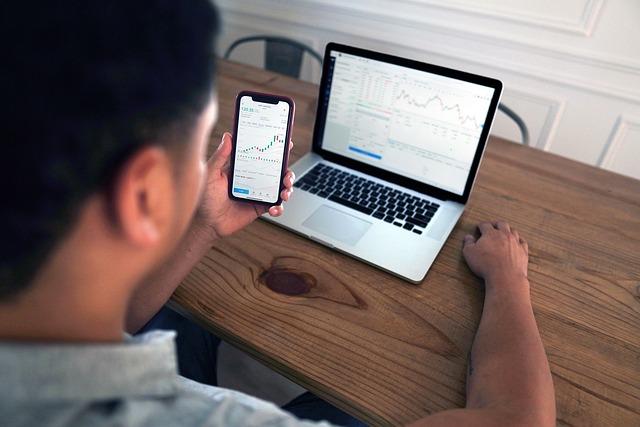
A: These days, most brokers have super smooth mobile apps, so you can trade on the go. No fancy setup needed—just a smartphone and internet connection.
Q: How long before I start seeing results?
A: This varies a lot. Some folks see small wins early on, others take months to get the hang of it. Focus on learning and growing your skills rather than quick cash. The more you practice, the better you’ll get.
Q: Any final words of encouragement?
A: Absolutely! Trading can be a fun and rewarding way to grow your money if you take it seriously and stay curious. Mistakes will happen—that’s part of the learning curve. Keep your cool, keep learning, and enjoy the ride!
In Summary
And there you have it—some easy tips to kickstart your trading journey without feeling overwhelmed. Remember, everyone starts somewhere, and the key is to keep learning, stay patient, and not be afraid to make mistakes (they’re part of the process!). So, take a deep breath, trust your instincts, and dive in. Happy trading, newbie—your future self will thank you!


