

Ever wondered what goes on inside the brain of a top-notch trading expert? Whether you’re a newbie trying to navigate the markets or a seasoned trader looking to sharpen your skills, getting a peek into the mindset of the pros can be a total game-changer. In this article, we’re diving deep into the tricks and tips that trading experts swear by—no jargon, no fluff—just real insights to help you trade smarter, not harder. Ready to unlock the secrets? Let’s get into it!
Getting Comfortable with Market Chaos
When the market feels more like a rollercoaster than a steady path, the difference between winners and losers lies in mindset. Instead of panicking or freezing, experts *lean into* the chaos, treating volatility like an ally rather than an enemy. They know that unpredictable price swings create opportunities to enter or exit trades at optimal points,turning uncertainty into a strategic advantage. Mastering this mental shift requires practise, patience, and a few key rituals to keep calm amid the noise.
Here are some proven tactics that pros use to stay grounded and sharp:
- Embrace Small Losses: accept that not every trade will be a home run; protect your capital and cut losses fast.
- Focus on Process, Not outcome: Follow your trading plan religiously instead of obsessing over individual wins or losses.
- Use Breathing Techniques: Quick mindfulness exercises help reset your emotional state during high-stress moments.
- Break Down Big Moves: Analyze volatile periods by breaking them into manageable chunks to avoid getting overwhelmed.
| Emotional Reaction | expert Response |
|---|---|
| Fear of Loss | Set pre-defined exit points |
| Greed | Stick to risk management rules |
| Impatience | Trust the process & time |
| Overconfidence | Review each trade critically |
Reading Between the Candlesticks
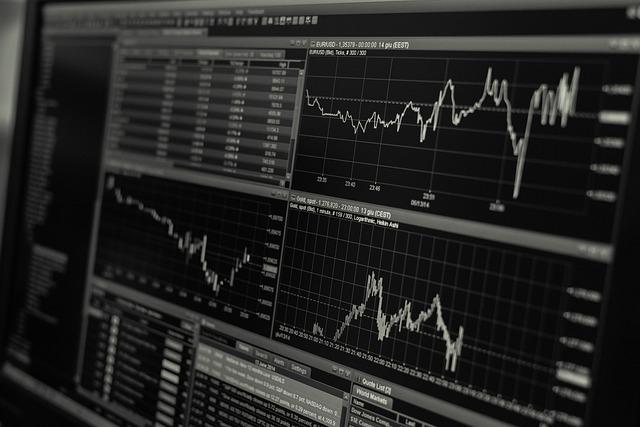
Mastering candlestick patterns goes beyond simply recognizing shapes — it’s about interpreting the subtle narratives they tell. Each wick and body size reflects the ongoing battle between buyers and sellers, revealing market psychology in real time. For example, a long lower wick frequently enough signals rejection of lower prices, hinting at potential bullish reversals, while a doji embodies market indecision, warning traders to brace for possible volatility ahead.
To sharpen your edge, pay attention to these key cues:
- Volume confirmation: A pattern gains strength when supported by rising trade volume.
- Context matters: Patterns are more reliable when aligned with overall trends or key support/resistance zones.
- Timeframe alignment: Signals seen on multiple timeframes tend to hold greater importance.
| Candlestick | Meaning | Tip |
|---|---|---|
| Hammer | Potential bullish reversal | Look for confirmation next candle |
| Shooting Star | Possible bearish reversal | Check for resistance nearby |
| Engulfing | Strong momentum shift | Consider recent trend direction |

Mastering the Art of Patience and Timing
Patience is arguably the moast underrated skill in trading. Many beginners rush into trades driven by excitement or fear of missing out, but seasoned experts understand that waiting for the *perfect* setup is key. This means allowing the market to show its true intentions before committing your capital. It’s about trusting the process, keeping emotions in check, and having the discipline to sit on the sidelines when the conditions aren’t right. Remember, successful trading isn’t about catching every move — it’s about catching the right ones.
Timing, on the other hand, is where art meets science. Experts combine technical indicators, volume analysis, and market sentiment to pinpoint entry and exit moments.Here’s a quick rundown of what they watch for:
- Confluence of signals – multiple indicators confirm a move
- Patterns in price action – like breakouts or reversals
- Volume spikes – indicating strong trader interest
- News and events – that can influence volatility
| Timing Element | What to Look For |
|---|---|
| Entry Signal | Confirming candle close above resistance |
| Exit Signal | Volume decline or reversal candle |
| Stop-Loss Placement | Below recent swing low |
Mastering these elements takes time but embracing patience and honing your timing can transform your trading performance from hit-or-miss to consistently profitable.
Avoiding Common Pitfalls Most Traders Miss
Many traders fall prey to avoidable missteps simply as they overlook subtle warning signs. One of the most overlooked traps is overtrading — jumping into too many positions without proper analysis. This frequently enough leads to emotional trading rather than strategic moves. Also, failing to set clear stop-loss levels can turn small losses into devastating hits. remember, discipline is your best friend in this game.Another common blunder? Holding on to losing trades out of stubbornness or hope rather of cutting losses early.
Keeping track of performance metrics and adapting your strategy is key. Below is a quick checklist of pitfalls to watch out for during your trading journey:
- Ignoring market trends in favor of gut feelings
- Relying too much on a single indicator
- Failing to review your trades regularly
- Neglecting risk management principles
- Letting emotions dictate entry or exit points
| Common Mistake | Why It Happens | Quick Fix |
|---|---|---|
| Overtrading | FOMO & impatience | Set strict daily limits |
| Ignoring Stop-Loss | Optimism bias | Automate stop orders |
| Lack of Review | Complacency | Weekly trade journal |
Building a Killer trading Routine That Works for You
Creating a trading routine that suits your lifestyle and mindset is the secret weapon many experts swear by. It’s not about following a rigid checklist but developing a *personalized rhythm* that keeps you sharp and focused. Start by carving out specific time blocks dedicated solely to market analysis, journal review, and trade execution. Consistency here doesn’t mean monotony—it means building habits that make decision-making almost second nature.
Don’t forget to include these essentials in your routine for maximum impact:
- Prep work: Scan overnight news and pre-market indicators to set the day’s tone.
- Mindset check-in: take a few minutes for meditation or visualization to stay calm and confident.
- Trade review: Analyze previous trades to spot patterns and learn from wins or losses.
- Tech setup: Confirm all platforms and tools are updated and running smoothly.
| Time | activity | Purpose |
|---|---|---|
| 7:00 AM | Market news scan | Start day informed & ahead |
| 7:30 AM | Mental warm-up | Boost focus & resilience |
| 8:00 AM | Trade analysis | Learn & improve strategy |
| 9:30 AM | Live trading session | Execute planned moves |
Q&A
Inside the Mind of a Trading Expert: Tips & Tricks Revealed
Q&A Edition
Q: So, what’s the biggest mindset shift someone needs to succeed at trading?
A: Honestly, it’s all about embracing risk without fear. Trading isn’t a guaranteed moneymaker—it’s more like a game of probabilities. if you get emotionally attached to every trade, you’ll burn out fast. Experts learn to think in terms of risk management and probability, not “winning or losing.” It’s more like, “What’s the most I can afford to lose here?” and “Is this trade worth the risk?”
Q: how do trading experts actually pick their trades? Is there a secret formula?
A: Ah, the million-dollar question! Spoiler: there’s no magic formula. Most pros combine technical analysis (chart patterns,indicators) with a good dose of essential insight (market news,economic data). But what really sets them apart is discipline—they stick to their trading plans and don’t chase “gut feelings.” Successful traders also keep learning and refining their strategies. It’s less about luck, more about consistent process.
Q: What’s a common mistake newbie traders keep making?
A: Overtrading and revenge trading. Newbies frequently enough jump into trades left and right, chasing quick wins or trying to “make back” losses promptly. This emotional reaction leads to poor decisions and bigger losses.The experts stress patience and selective trading—you don’t have to be in the market 24/7. Sometimes, the best trade is no trade at all.
Q: Can you give some quick, actionable tips for someone just starting out?
A: Sure! Here are a few gems:
- Start small – Never risk money you can’t afford to lose.
- Have a plan – Know your entry, exit, and stop-loss BEFORE you trade.
- Keep a trading journal – Write down why you took each trade and what happened. It’s your personal schoolbook to learn from mistakes.
- Control your emotions – If you feel stressed or overly excited, step away. Trading with a clear head is crucial.
- Learn continuously – Markets change, and so should you. Read, watch, and stay curious.
Q: What tools do trading experts swear by?
A: Most have their go-to platforms for charts and analysis—think TradingView, thinkorswim, or MetaTrader. They also use news feeds like Bloomberg or Reuters to stay ahead. Another underrated tool? A good snack and plenty of water! Staying physically and mentally sharp is key when staring at screens for hours.
Q: Any advice on handling losses? Because, let’s be real—losing sucks.
A: Absolutely, losses are part of the game. The trick is not to let them shake your confidence. Experts view losses as the cost of doing business. The key is limiting the damage (using stop-loss orders) and learning from every trade, good or bad. Never try to “win it all back” in one shot—that’s a one-way ticket to disaster.
Q: Final words of wisdom from the pros?
A: Treat trading like a marathon, not a sprint. Be patient, disciplined, and humble. The market will humble you plenty if you’re not, but if you keep a level head and stick to your plan, you can actually master this crazy beast called trading. Oh,and never underestimate the power of good sleep and a balanced life—your brain’s gotta be sharp to win here.
Got more questions about trading? Drop a comment below and let’s chat!
In Conclusion
And there you have it — a little sneak peek into the mind of a trading expert! Hopefully, these tips and tricks give you a fresh outlook and some handy tools to sharpen your own game. Remember, trading isn’t about luck; it’s about strategy, patience, and learning from every move. So take these insights, experiment, and most importantly, don’t be afraid to make mistakes along the way. Happy trading, and may your next big win be just around the corner!


