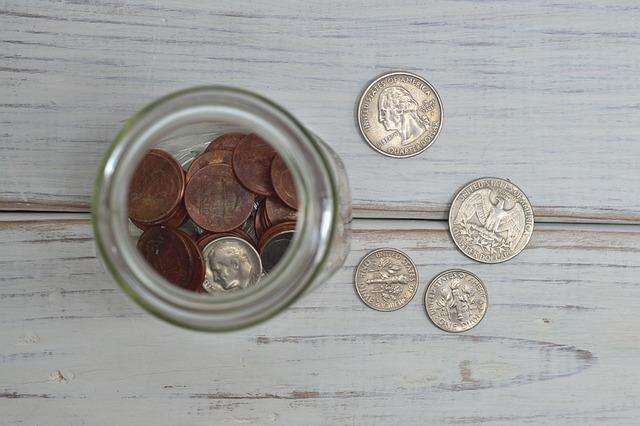

Let’s be real—saving money can sometimes feel like a full-time job. Between bills, groceries, adn those little impulse buys, it’s easy to see your paycheck vanish in no time. But here’s the good news: you don’t need to turn your life upside down or become a budget-obsessed guru to start saving big. With a few smart and simple tweaks to your daily routine, you can keep more cash in your pocket without sacrificing the things you love. Ready to learn some easy money hacks that actually work? Let’s dive in!
Easy Ways to Slash Your Grocery Bills Without Cutting Corners
When it comes to trimming down your grocery spending,a little strategy goes a long way. Start by making a detailed shopping list based on your meal plan for the week — this keeps impulse buys at bay and ensures you only buy what you actually need.Another game-changer? Embrace bulk buying for pantry staples like rice,pasta,and canned goods. Not only does purchasing in bulk reduce the cost per unit, but it also minimizes those extra trips to the store, saving time and fuel expenses. Don’t shy away from store brands either; many are just as good as name brands but cost substantially less.
Smart shoppers also get creative with fresh produce by buying what’s in season or on sale and freezing leftovers for future meals. Check ads and digital coupons before heading out,and consider apps that give cash back or rewards for grocery purchases. Here’s a quick rundown of some savvy shopping habits to keep in mind:
- Shop with a calculator: Keep track of costs as you add items to your cart.
- Opt for whole foods: Pre-cut and packaged foods frequently enough come with a markup.
- Visit farmers markets: Sometimes fresher and cheaper, especially towards closing time.
- Freeze extras: Prevent waste by freezing bread,fruits,and cooked meals.
| Tip | estimated Savings | Why It Works |
|---|---|---|
| Buy in Bulk | Up to 25% | Lower price per unit, fewer trips |
| Use Coupons & Apps | 10-15% | Instant discounts & cashback offers |
| Seasonal Produce | Up to 20% | Abundance lowers prices naturally |
| Choose Store Brands | 10-30% | Less marketing markup, same quality |

How to Maximize Discounts and Cash Back Like a Pro
Unlocking the full potential of discounts and cash back offers is all about strategy and timing.First, always stack your savings by combining store promos with credit card rewards and coupon codes.Many retailers allow the use of manufacturer or digital coupons alongside their sales, so don’t hesitate to hunt for those extra codes online. Subscribing to newsletters and loyalty programs can also give you access to exclusive discounts and early-bird offers. Pro tip: set alerts for your favorite brands on deal aggregator sites or apps to never miss out when a killer offer pops up.
Maximize your earnings by choosing the right payment method. Some credit cards offer higher cash back percentages on specific categories like groceries, dining, or travel. Keep a simple table handy to remember which card to use where — it makes the decision in the moment much easier and your savings stack higher:
| Category | Best Card for Cash Back | Cash Back % |
|---|---|---|
| Groceries | FreshSaver Card | 5% |
| Dining & Food Delivery | MealPerks Credit | 4% |
| Gas Stations | FuelMax Rewards | 3% |
| Everyday Shopping | AllRounder Card | 1.5% |
Don’t forget to redeem your cash back regularly. Most programs accumulate points or rewards, but if left unused, their value simply sits idle. Set a reminder in your phone or calendar to check for available rewards at least quarterly and convert them into statement credits,gift cards,or even purchases. Remember, a savvy saver always turns every dollar spent into the next possibility to save!

Smart Energy Hacks That Shrink Your Utility Bills Fast
Cutting down your energy expenses doesn’t have to be a hassle. Small, mindful changes around the house can make a big difference on your monthly utility bill. Such as, swapping out incandescent bulbs for LED lights reduces consumption significantly without sacrificing brightness. Another quick win: unplugging devices when not in use. Many electronics suck power even when turned off, sneaking extra charges onto your bill. Consider using power strips with switches to make this easier.
Embrace smart tech to track and control your energy usage more effectively. Installing a programmable thermostat helps regulate heating and cooling, adjusting temperatures automatically when you’re away or asleep. Pair this with energy-efficient appliances that carry the Energy Star label, and you’ve got a recipe for savings.See the quick comparison below to spot the difference these upgrades can make:
| Upgrade | Avg. Monthly Savings | Payback Time |
|---|---|---|
| LED Lighting | $10 | 6 months |
| Programmable Thermostat | $15 | 1 year |
| energy Star Appliances | $20 | 2-3 years |
- Seal drafts around windows and doors to keep warm or cool air inside.
- Wash clothes with cold water to cut energy used by water heaters.
- Use ceiling fans to improve circulation instead of turning up AC or heat.
Simple Budgeting Tricks That Actually Stick and Save
Keeping your finances in check doesn’t have to drain your energy or your wallet. Start by embracing the “pay yourself first” method — set aside a fixed amount for savings *before* paying bills or splurging on coffee runs. This simple habit transforms saving from a chore into a non-negotiable routine. Another nifty trick? Use the envelope system (digitally or with cash) for variable expenses like groceries and entertainment. Once that envelope’s empty, the month’s done for those categories—no more overspending sneaks in unnoticed.
Consistency is where the magic happens. Automate your bill payments and savings transfers so you’re never late or tempted to skip them. Keep a small notebook or an app handy to jot down daily expenses — you’ll be surprised how little purchases add up. Try organizing your budgeting approach with a simple table like this to track your progress each month:
| Category | monthly Budget | Actual Spend | Difference |
|---|---|---|---|
| Groceries | $300 | $280 | $20 |
| Dining Out | $100 | $90 | $10 |
| Entertainment | $75 | $80 | -$5 |
| Savings | $200 | $200 | $0 |
With these habits, your budget becomes less of a burden and more of a helpful guide. A few tweaks here and there can deliver big savings down the road — all by just sticking to easy, smart routines that fit your lifestyle.
Everyday Habits That Help You Keep More Cash in Your Pocket
Small daily choices add up faster than you think. Swapping your daily coffee shop run for a homemade brew or packing a lunch rather of eating out can save hundreds monthly. Tracking your spending with a simple app or notebook reveals sneaky expenses that drain your wallet. Consider these easy tweaks to take control:
- Unsubscribe from marketing emails that tempt impulse buys
- Use cashback apps for everyday purchases
- Set a weekly cash allowance and stick to it
- Turn off unused electronics and unplug chargers
Beyond habits, organizing your finances with a quick overview helps avoid overdraft fees and late payments. Here’s a handy table to visualize smart budget checkpoints you should prioritize each month:
| Budget Item | Priority | Action Tip |
|---|---|---|
| Emergency Fund | High | Automate a small monthly transfer |
| Utility Bills | Medium | Review & negotiate plans annually |
| Subscriptions | Low | Cancel unused services |
Q&A
Q&A: Smart & Simple Economy Tips to Save Big every Day
Q: What’s the easiest way to start saving money daily without feeling like I’m sacrificing too much?
A: Small tweaks go a long way! Start by skipping that daily coffee shop run and brew your own. It sounds basic, but making coffee at home can save you $3-$5 a day, which adds up big time. Plus,packing your lunch instead of eating out is another simple switch that keeps cash in your pocket.
Q: Are there any quick habits I can adopt to cut down on utility bills?
A: Absolutely! Simple habits like turning off lights when you leave a room, unplugging devices you’re not using, and taking shorter showers work wonders. Also, try using energy-efficient bulbs and setting your thermostat a degree or two lower in winter or higher in summer — it all adds up to noticeable savings.
Q: How can I avoid impulse buys when I’m out shopping?
A: Make a list before you go, and stick to it like glue! Also, try the 24-hour rule—if you see something you definitely want but it’s not a necessity, wait a day before buying it. Often, the urge will pass, and you save money by avoiding impulse shopping.
Q: Is couponing still worth it, or is it too much hassle?
A: Couponing is definitely still alive and can be a huge help if you do it smartly. Use digital coupons and apps that automatically apply discounts—no clipping required! It’s a quick way to save on stuff you’d buy anyway without spending hours hunting for deals.
Q: Can meal planning really help save money? How does that work?
A: Totally! When you plan meals ahead, you buy only what you need, which cuts down on food waste and last-minute, expensive takeout orders. Plus, cooking at home is usually way cheaper than dining out. Bonus: you get healthier, tastier meals, too!
Q: What about transportation? Any easy money-saving tips there?
A: carpooling, biking, or using public transport whenever possible can save you tons on gas and parking fees.If you drive, keep your tires properly inflated and do regular maintenance to improve fuel efficiency. Even combining errands to make fewer trips helps.
Q: How can I keep motivated to stick with these savings habits?
A: Celebrate small wins! Track your progress and see how much you’re saving over weeks and months. Set up a separate savings account for the money you save and watch it grow—it’s a great motivator. Plus, remind yourself that these easy changes bring you closer to your bigger financial goals.
Q: Any final quick tips to save without turning life upside down?
A: Yep! Swap to generic brands instead of name-brand products,cancel unused subscriptions,and use cashback apps on your regular purchases. These small, painless moves pile up and help you save big without stress.
There you have it—smart, simple, and totally doable ways to save money every day. Start small, stay consistent, and watch your savings grow!
Concluding Remarks
And there you have it—simple, smart ways to keep more cash in your wallet without turning your life upside down. Saving big doesn’t have to be complicated or stressful; it’s all about those little everyday choices that add up over time. So go ahead, try out a few of these tips, tweak them to fit your style, and watch your savings grow. Your future self will definitely thank you! Happy saving!